
Magnesium chloride supports muscle, nerve, and electrolyte balance, aids energy, and serves as an eco-friendly deicer with many health and industrial uses.
Magnesium chloride
Magnesium chloride (MgCl₂) is a vital compound used in both health supplements and industrial applications. It helps maintain electrolyte balance, supports muscle and nerve function, and promotes calm energy in the body.
Beyond health, it serves as an effective deicer and dust control agent due to its moisture-absorbing properties. Magnesium chloride is valued for its versatility, safety, and eco-friendly performance across multiple industries and wellness uses.
How Magnesium Chloride Works
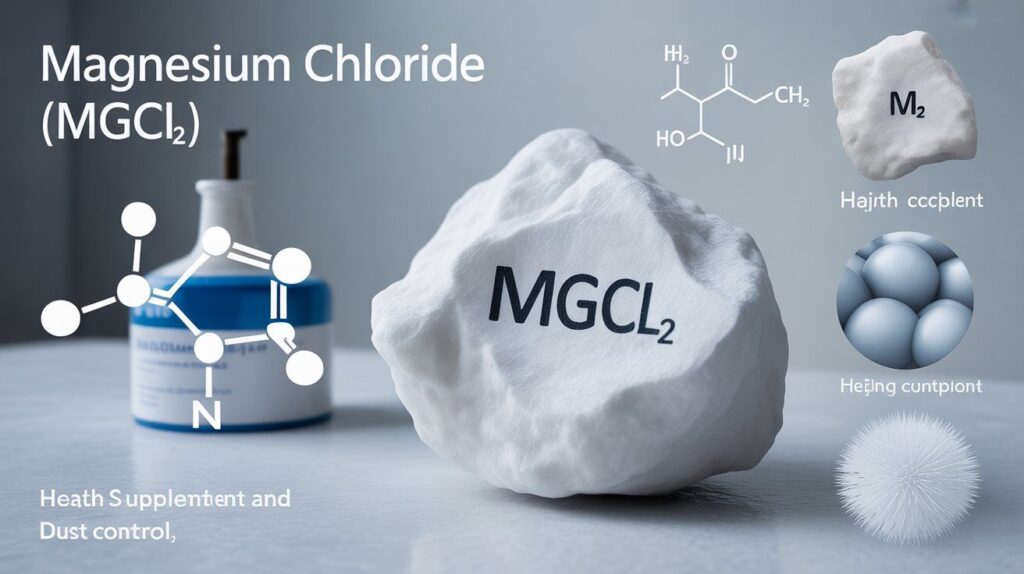
Magnesium chloride works by releasing magnesium ions that help regulate electrolyte balance, muscle contraction, and nerve signaling. In the body, these ions aid enzyme activation and energy production. Its chloride ions support fluid balance and digestion.
Because it’s highly absorbable, magnesium chloride effectively replenishes magnesium levels, preventing deficiency. Its ionic nature also explains its efficiency in industrial and environmental applications, such as moisture control and deicing.
Uses and Applications of Magnesium Chloride
Magnesium chloride has diverse uses in health and industry. In supplements, it supports muscle recovery, heart function, and bone strength.
Topical magnesium chloride, often called magnesium oil, helps ease muscle cramps and tension. Industrially, it’s a key deicer, dust suppressant, and soil stabilizer, valued for its moisture-retaining properties.
Magnesium chloride is also used in water treatment and agriculture to improve soil quality and reduce dust emissions.

Magnesium Chloride Dosage and Absorption
Magnesium chloride is available in oral tablets, liquid solutions, and topical forms. It offers high bioavailability, meaning the body absorbs it efficiently compared to other magnesium salts.
Typical supplement doses range from 200–400 mg of elemental magnesium daily, depending on individual needs. Topical magnesium chloride (magnesium oil) can also aid absorption through the skin.
Always follow recommended dosage guidelines and consult a professional before prolonged or high intake.
Side Effects and Safety of Magnesium Chloride
| Aspect | Details |
|---|---|
| Common Side Effects | Diarrhea, nausea, stomach discomfort, and low blood pressure when consumed in high doses. |
| Serious Risks (Overuse) | High magnesium levels may cause irregular heartbeat, muscle weakness, or breathing difficulties in severe cases. |
| High-Risk Groups | Individuals with kidney disease, heart conditions, or digestive disorders should consult a doctor before use. |
| Topical Reactions | Mild skin irritation or tingling may occur when applying topical magnesium chloride (magnesium oil). |
| Safety Tips | Follow recommended dosage, avoid self-medication, and seek medical advice before combining with other supplements or drugs. |
| General Recommendation | Use pharmaceutical or food-grade magnesium chloride, stay hydrated, and monitor for any adverse reactions. |
Environmental and Corrosion Impact of Magnesium Chloride
Magnesium chloride is widely used as a road deicer and dust control agent due to its ability to absorb moisture and reduce ice formation. However, it can cause metal corrosion and concrete degradation if overapplied.
Compared to sodium chloride, it is less harmful to vegetation and more environmentally friendly when managed properly. Regular monitoring and controlled application help minimize environmental impact while maintaining its deicing effectiveness.
Best Practices for Using Magnesium Chloride
To use magnesium chloride safely and effectively, choose high-quality, food-grade or pharmaceutical-grade products.
Keep it in a cool, airtight container to protect it from absorbing moisture.
When using for health purposes, follow recommended dosages and consult a healthcare professional. For industrial applications, apply only as needed to avoid corrosion or runoff.
Regular maintenance and balanced use ensure magnesium chloride remains effective, safe, and environmentally responsible.

Future Research and Developments in Magnesium Chloride
Ongoing studies explore magnesium chloride’s potential in medicine, agriculture, and environmental engineering.
Researchers are examining its role in cellular energy regulation, bone metabolism, and eco-friendly deicing alternatives. Advances in nanotechnology and formulation science aim to enhance magnesium chloride absorption and stability.
Continued innovation may expand its therapeutic applications and improve its environmental performance, solidifying magnesium chloride as a key compound in future sustainable solutions.
FAQs
Q1. What is magnesium chloride used for?
Magnesium chloride is used in dietary supplements, deicing, dust control, and water treatment. It helps restore magnesium levels and supports muscle and nerve health.
Q2. Is magnesium chloride safe to take daily?
Yes, in recommended doses. Excess magnesium chloride can cause digestive upset or low blood pressure. Always consult a doctor before prolonged use.
Q3. What is the difference between magnesium chloride and magnesium citrate?
Magnesium chloride is better absorbed and suitable for general supplementation, while magnesium citrate has a laxative effect.
Q4. Can magnesium chloride damage metal or concrete?
Yes, magnesium chloride deicers may cause corrosion on unprotected metal surfaces, though it’s less harmful than sodium chloride when used correctly.
Q5. Can I apply magnesium chloride on my skin?
Yes, topical magnesium chloride (magnesium oil) is commonly used to relieve sore muscles and improve magnesium absorption through the skin.

Hamid Raza, aged 65, is a seasoned expert in nutrition, health supplements, and wellness, with over four decades of experience researching and educating people about essential minerals like magnesium. His work focuses on helping individuals improve energy, bone health, muscle function, and overall wellness through scientifically-backed magnesium knowledge.
Throughout his career, Hamid has contributed to numerous health articles, research studies, and wellness blogs, making complex nutritional science accessible to everyday readers. Passionate about natural health solutions, he guides readers on choosing the right magnesium supplements for optimal health.