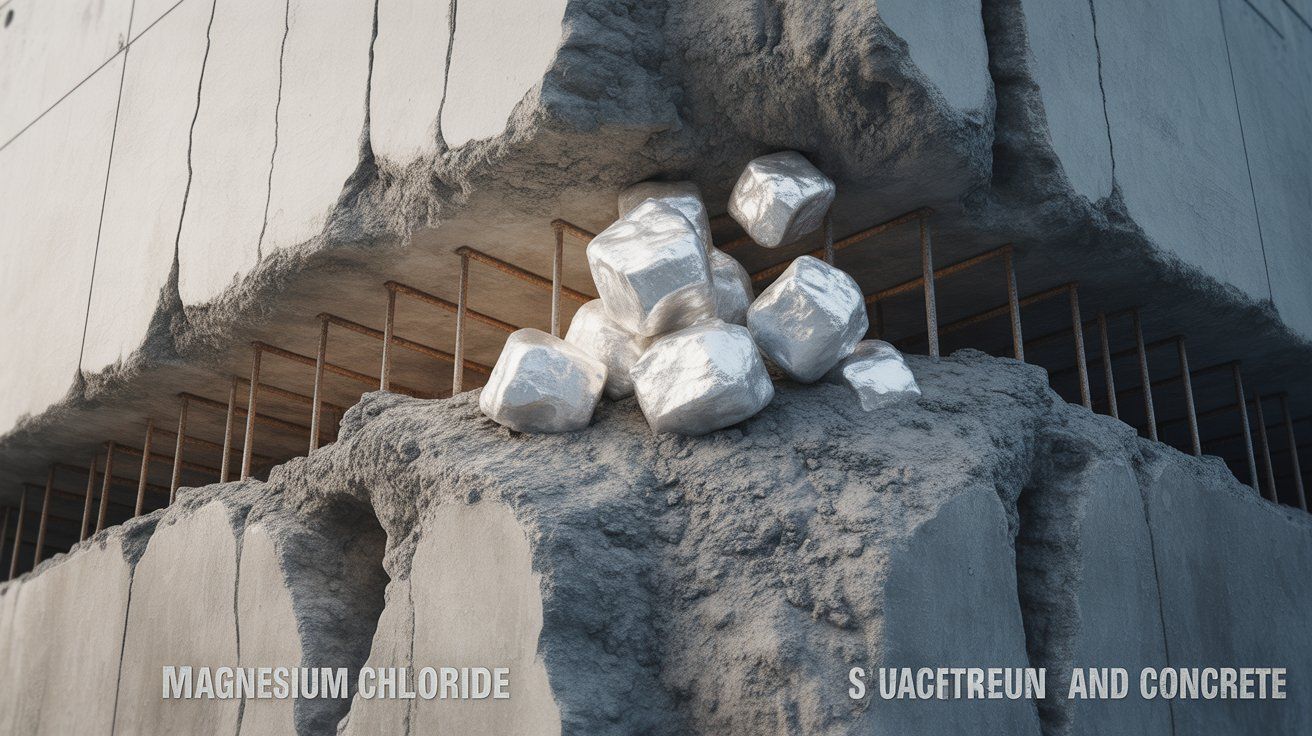

Magnesium chloride road dust control reduces dust, improves road stability, lowers maintenance costs, and offers a long-lasting, eco-friendly solution.
Magnesium chloride road dust control
Magnesium chloride road dust control is a proven method for reducing dust on unpaved and gravel roads.
What Is Magnesium Chloride?
Magnesium chloride (MgCl₂) is a hygroscopic compound that attracts and retains moisture, keeping road surfaces damp and stable even in dry conditions.
Why Use It for Dust Suppression?
It minimizes airborne dust, improves visibility and air quality, and reduces maintenance costs. Unlike frequent watering, magnesium chloride dust control provides long-lasting, cost-effective road stabilization.

What Is Magnesium Chloride and How It Works for Road Dust Control
Magnesium chloride (MgCl₂) works by drawing moisture from the air and binding dust particles together, preventing them from becoming airborne. This natural moisture retention keeps gravel and dirt roads compact and stable.
Unlike water, which evaporates quickly, magnesium chloride dust control maintains surface dampness for weeks or months. Its hygroscopic and soil-binding properties make it an efficient, long-lasting solution for unpaved road dust suppression in dry or high-traffic environments.
Benefits of Using Magnesium Chloride for Road Dust Suppression
| Benefit | Description |
|---|---|
| Dust Reduction | Magnesium chloride road dust control effectively traps fine particles by keeping road surfaces moist, reducing airborne dust and improving air quality. |
| Enhanced Road Stability | Strengthens the road surface by binding particles together, minimizing rutting, potholes, and material loss on unpaved roads. |
| Improved Visibility & Safety | Keeps dust clouds to a minimum, ensuring better visibility for drivers and safer travel on rural and industrial roads. |
| Lower Maintenance Costs | Reduces grading frequency, conserves gravel, and extends the lifespan of road materials, saving on maintenance expenses. |
| Erosion & Washboarding Prevention | Retains moisture that helps resist surface erosion and prevents the formation of washboard patterns on dirt and gravel roads. |
| Environmental Sustainability | A natural, biodegradable dust suppressant, magnesium chloride offers a low-impact alternative to petroleum-based products. |
| Cost-Effective Longevity | Provides long-lasting results—often a full season or more—with fewer reapplications than water or organic alternatives. |
Applying Magnesium Chloride for Road Dust Control
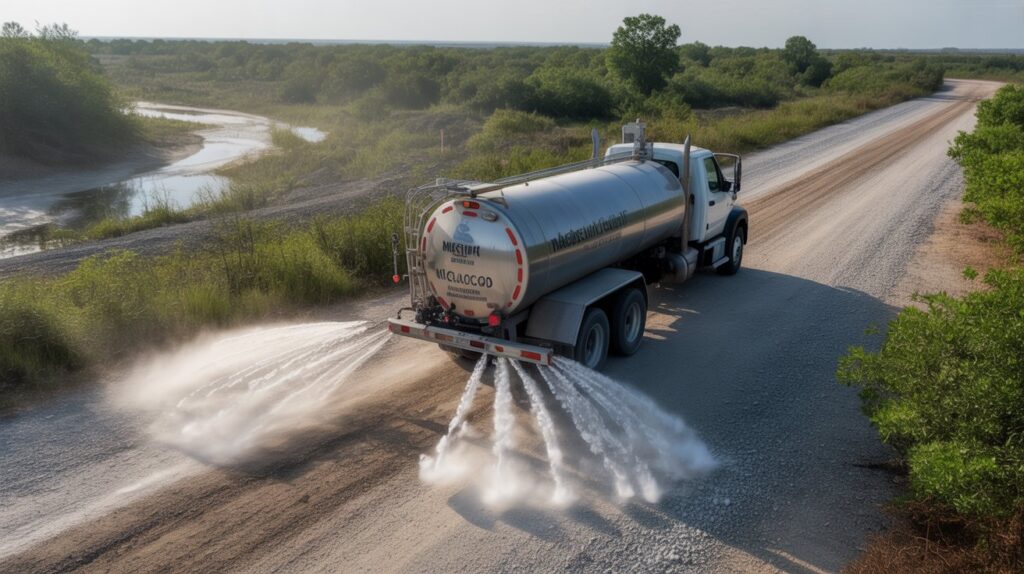
For effective magnesium chloride road dust control, preparation is key. Roads should be graded, compacted, and slightly moist before application. The compound can be applied in liquid or flake form, depending on climate and surface type.
A typical application rate ranges from 0.3 to 0.5 gallons per square yard. Once applied, magnesium chloride penetrates and binds the road surface, creating a firm, dust-free layer that lasts for months with minimal reapplication or maintenance.
Cost and Maintenance of Magnesium Chloride Dust Control
The cost of magnesium chloride road dust control varies by location, road size, and application method, typically ranging between $0.80 and $1.50 per gallon applied. While initial costs may seem high, long-term savings are significant due to reduced grading frequency, aggregate loss, and equipment wear.
Proper maintenance involves occasional reapplication and surface inspection. Overall, magnesium chloride dust suppression delivers a cost-effective, low-maintenance solution for managing dust and preserving unpaved road integrity over time.
Environmental Considerations and Potential Drawbacks
While magnesium chloride road dust control is generally safe, overuse can cause chloride runoff, which may affect nearby vegetation or groundwater. Corrosion on vehicles and infrastructure is another concern if not properly managed.
Applying the right amount and avoiding excessive overlap minimize these risks. Despite these challenges, magnesium chloride dust control remains an eco-conscious choice when used responsibly, offering effective dust suppression with lower environmental impact than many synthetic or petroleum-based alternatives.
Alternatives to Magnesium Chloride Dust Control
Although magnesium chloride road dust control is highly effective, several alternatives exist. Calcium chloride, lignin sulfonate, and organic binders also suppress dust, each with distinct advantages. Calcium chloride performs well in humid climates, while lignin-based products are more environmentally gentle but less durable.
Choosing between these options depends on climate, traffic volume, and environmental priorities. Still, magnesium chloride dust control often offers the best balance of cost, longevity, and performance for most unpaved road applications.
FAQs
Q1: How does magnesium chloride control road dust?
A: Magnesium chloride draws moisture from the air, keeping the road surface damp and compact. This prevents dust particles from becoming airborne and helps stabilize the road surface.
Q2: How often should I apply magnesium chloride for dust control?
A: Typically once or twice per season, depending on traffic and rainfall. High-traffic or dry areas may need spot re-applications.
Q3: Is magnesium chloride environmentally safe?
A: When applied properly, it poses minimal risk. However, over-application or runoff can affect nearby vegetation and groundwater, so proper management is essential.
Q4: What is the difference between magnesium chloride and calcium chloride dust control?
A: Both are hygroscopic salts, but magnesium chloride is less corrosive and works effectively at lower humidity levels, making it suitable for many climates.
Q5: How much does magnesium chloride road dust control cost?
A: Prices vary by location and concentration—typically between $0.80–$1.50 per gallon applied, depending on material costs and transportation.

Hamid Raza, aged 65, is a seasoned expert in nutrition, health supplements, and wellness, with over four decades of experience researching and educating people about essential minerals like magnesium. His work focuses on helping individuals improve energy, bone health, muscle function, and overall wellness through scientifically-backed magnesium knowledge.
Throughout his career, Hamid has contributed to numerous health articles, research studies, and wellness blogs, making complex nutritional science accessible to everyday readers. Passionate about natural health solutions, he guides readers on choosing the right magnesium supplements for optimal health.