Magnesium chloride pellets melt ice fast, work in extreme cold, protect surfaces, and are safer for pets, plants, and the environment than rock salt.
Magnesium chloride pellets
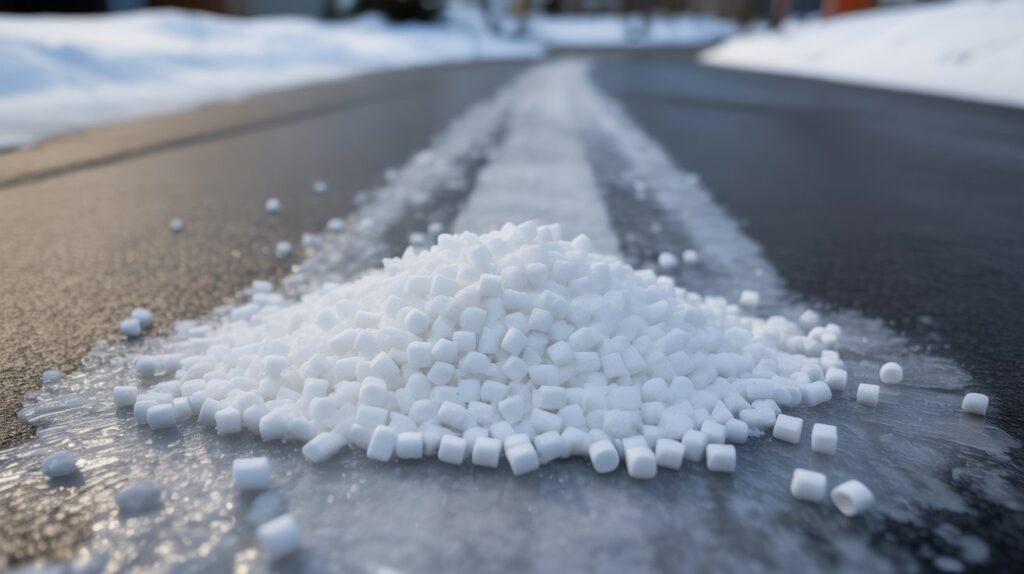
Magnesium chloride pellets have become a trusted solution for ice control and snow management, offering better performance and safety than traditional rock salt. These compact MgCl₂ pellets attract moisture to create a fast-acting brine that melts ice efficiently—even in extreme cold. Unlike standard de-icers, they’re less corrosive, safer for pets and vegetation, and leave minimal residue.
Their reliability in low temperatures and eco-friendly profile make magnesium chloride pellets a preferred choice for homeowners, municipalities, and contractors looking for long-term, sustainable surface protection.
What Are Magnesium Chloride Pellets?
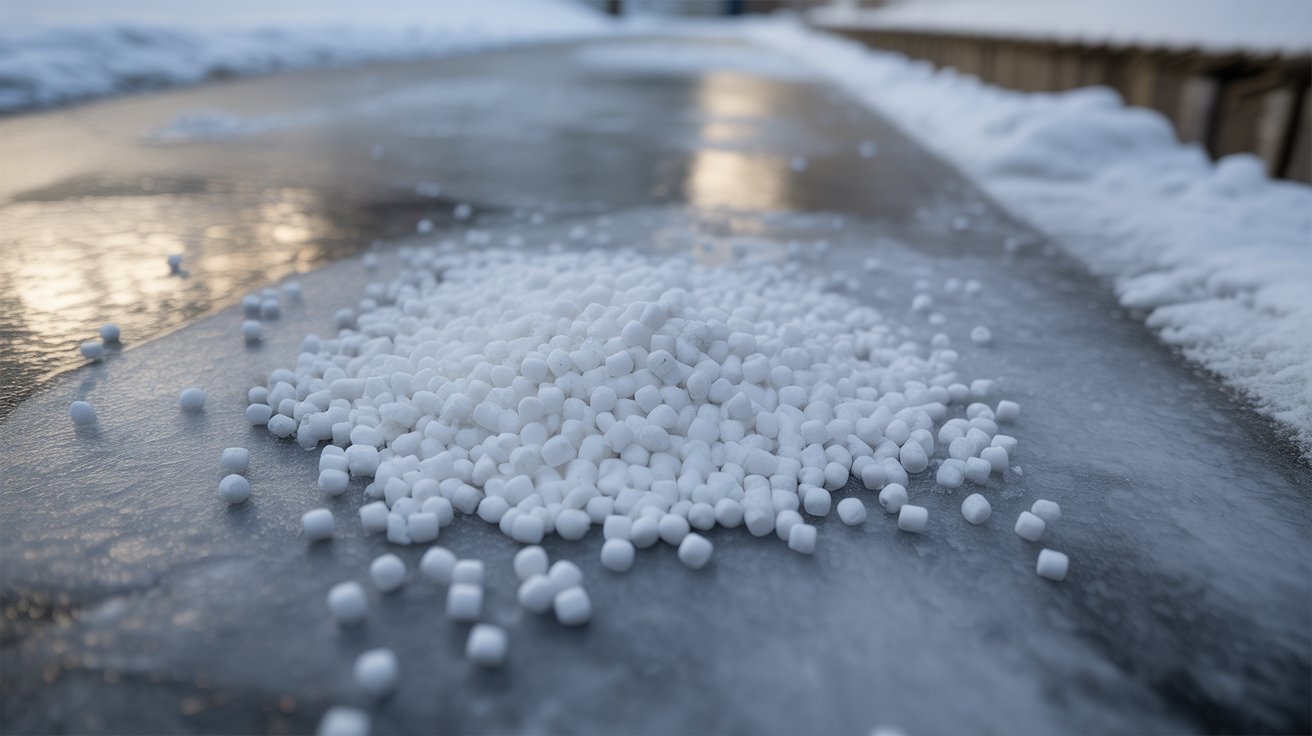
Magnesium chloride pellets are compact, round granules made from the natural mineral magnesium chloride (MgCl₂)—a salt compound extracted from brine sources or seawater. These pelletized magnesium chloride crystals are engineered for even spreading and consistent melting on cold surfaces. When applied, they draw moisture from the air, forming a brine that rapidly penetrates and breaks down ice.
Unlike rock salt or calcium chloride flakes, magnesium chloride pellets melt faster and with less corrosion, making them ideal for driveways, walkways, and commercial snow control. Their uniform shape ensures efficient coverage and reduced product waste.
How Magnesium Chloride Pellets Work
Magnesium chloride pellets work through a natural chemical process called brine formation. When they contact snow or ice, they attract moisture from the air, dissolving into a liquid brine that lowers the freezing point of water. This allows ice to melt quickly, even at temperatures as low as –13°F (–25°C).
Because of their hygroscopic properties, MgCl₂ pellets stay effective longer and help prevent re-freezing. Their round, dense form ensures controlled melting with minimal residue. This low-temperature ice-melting action makes magnesium chloride pellets a reliable, efficient de-icer for both residential and industrial applications.
Key Benefits and Advantages
Magnesium chloride pellets offer a balance of performance, safety, and environmental care. They melt ice quickly at lower temperatures while being less corrosive on concrete, metals, and pavement than traditional rock salt. Their eco-friendly formulation is also safer for pets, plants, and lawns.
Because MgCl₂ pellets attract and hold moisture, they continue working longer, reducing the need for frequent reapplication. Users appreciate the cleaner surfaces and minimal residue left behind, which means less mess indoors. Overall, magnesium chloride pellets deliver fast, effective, and sustainable ice control for homes, businesses, and municipalities alike.
Magnesium Chloride vs. Other De-icers
| Feature / Property | Magnesium Chloride Pellets (MgCl₂) | Calcium Chloride (CaCl₂) | Sodium Chloride (Rock Salt / NaCl) |
|---|---|---|---|
| Effective Temperature Range | Works down to –13°F (–25°C) | Works down to –25°F (–32°C) | Effective only above 20°F (–6°C) |
| Corrosiveness | Low corrosion on metal, concrete, and surfaces | Moderate corrosion potential | High corrosion on metal and concrete |
| Residue After Use | Minimal, clean residue | Can leave oily or slippery film | Leaves white, crusty residue |
| Environmental Impact | Eco-friendly and safer for plants and pets | Moderately harmful to plants | High impact on soil and vegetation |
| Cost Efficiency | Mid-range cost, but long-lasting | Higher cost, short-term results | Low cost, but needs frequent use |
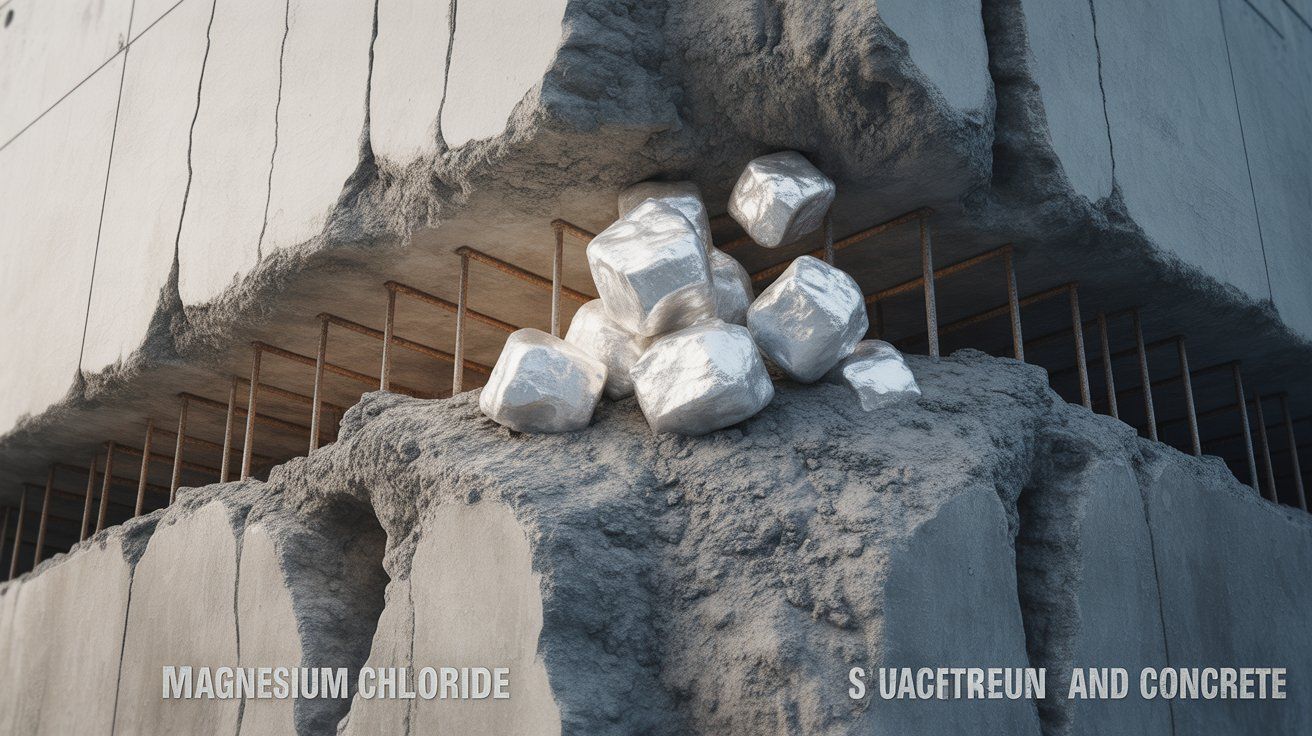
| Surface Safety | Gentle on surfaces, less freeze–thaw damage | Can cause surface spalling | Damages concrete over time |
| Pet & Plant Safety | Safe when used properly | Mild irritation possible | Harmful to pets and lawns |
| Overall Performance | Balanced melting speed, low corrosion, eco-safe | Very fast melt, but more aggressive | Basic melting, poor in extreme cold |
Where and When to Use Magnesium Chloride Pellets
Magnesium chloride pellets are versatile and effective for a wide range of ice-melting applications. They’re ideal for driveways, sidewalks, parking lots, loading docks, and roadways, providing fast results even in severe cold. These ice melt pellets spread evenly and start working on contact, forming a brine that prevents refreezing.
Property owners, maintenance crews, and municipalities use magnesium chloride de-icing pellets for reliable winter safety. Their gentle action on concrete and vegetation makes them suitable for both residential and commercial areas, helping to maintain clear, slip-free surfaces without causing surface or environmental damage.
How to Choose & Use Magnesium Chloride Pellets Properly
Selecting quality magnesium chloride pellets starts with checking purity and pellet size—high-purity MgCl₂ pellets melt faster and leave less residue. For best results, spread evenly over icy areas using a scoop or spreader; avoid over-application to prevent waste. A light, uniform layer is usually enough to melt thick ice efficiently.
Store your pelletized magnesium chloride in a cool, dry place to keep it from clumping or dissolving. Proper usage ensures long-lasting melting power, reduced runoff, and better safety for pets, plants, and surfaces, making magnesium chloride a superior, eco-smart choice for winter maintenance.
FAQs
Q1. What are magnesium chloride pellets used for?
Magnesium chloride pellets are primarily used as ice melt and de-icing agents for sidewalks, driveways, parking lots, and roads. Their moisture-attracting nature allows them to form a quick-acting brine that penetrates and loosens ice, making surfaces safer to walk and drive on.
Q2. Are magnesium chloride pellets safe for pets and plants?
Yes. Compared to traditional rock salt or calcium chloride, magnesium chloride is gentler on paws, soil, and vegetation. It helps prevent dehydration and burns often caused by harsher salts, making it ideal for pet-friendly and eco-conscious properties.
Q3. How cold can magnesium chloride pellets work?
They remain effective in temperatures as low as –13°F (–25°C), maintaining melting power where many de-icers fail.
Q4. Do magnesium chloride pellets damage concrete?
No—when applied correctly, MgCl₂ pellets are less corrosive and protect surfaces from freeze-thaw cracking. Avoid overuse for best results.
Q5. Can magnesium chloride pellets be used for dust control?
Absolutely. Their moisture retention makes them effective for dust suppression on gravel roads, arenas, and construction sites, offering year-round versatility beyond winter ice management.

Hamid Raza, aged 65, is a seasoned expert in nutrition, health supplements, and wellness, with over four decades of experience researching and educating people about essential minerals like magnesium. His work focuses on helping individuals improve energy, bone health, muscle function, and overall wellness through scientifically-backed magnesium knowledge.
Throughout his career, Hamid has contributed to numerous health articles, research studies, and wellness blogs, making complex nutritional science accessible to everyday readers. Passionate about natural health solutions, he guides readers on choosing the right magnesium supplements for optimal health.