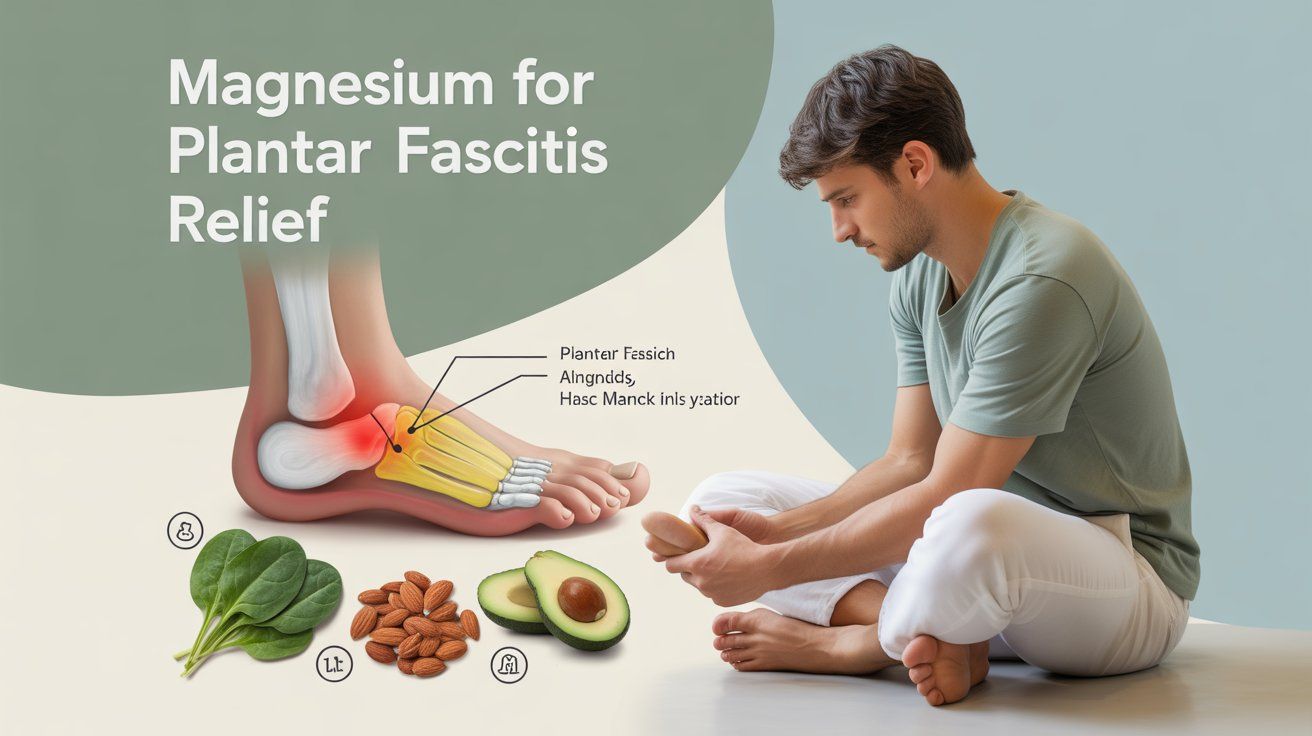

Magnesium for itching helps soothe dry, irritated skin by reducing inflammation and restoring moisture balance, though overuse may cause mild tingling.
Magnesium for itching
Itchy skin can be more than just a passing irritation — it’s often a sign that something deeper is happening beneath the surface. One overlooked factor linked to persistent itching is magnesium. This essential mineral plays a critical role in regulating inflammation, supporting hydration, and maintaining a strong skin barrier.
When magnesium levels drop, the skin can become dry, irritated, and prone to inflammation. Many people experiencing chronic itching may actually have a mild magnesium deficiency — often triggered by stress, diet, or poor absorption. By restoring balance through diet or topical application, magnesium may help calm the skin’s overactive response.
Understanding the link between magnesium and itchy skin offers a fresh perspective on natural relief. Instead of masking the itch, magnesium helps address one of its potential root causes — an imbalance in the body’s mineral and moisture levels.

What Is Magnesium and Why It Matters for Skin Health
Magnesium is a vital mineral that influences over 300 biochemical reactions in the body, including those that keep the skin balanced and resilient. It helps regulate inflammation, supports collagen production, and strengthens the skin’s natural barrier. Low magnesium levels can lead to dryness, redness, and increased sensitivity. By improving hydration and calming irritated skin, magnesium plays a crucial role in preventing itching and maintaining overall skin health—both inside and out.
How Magnesium for Itching Works: The Science Explained
Magnesium helps relieve itching by targeting inflammation, hydration, and nerve sensitivity. It reduces histamine release—the compound responsible for itch sensations—and improves skin moisture retention. Topical forms like magnesium oil, lotion, or Epsom salt baths can calm irritated skin and restore balance. By supporting the skin barrier and reducing oxidative stress, magnesium lessens dryness and redness, offering gentle, lasting relief for those struggling with persistent itching or sensitive, inflamed skin conditions.
Evidence and Research on Magnesium for Itching
Emerging research supports magnesium’s role in soothing itchy, inflamed skin. Studies show that magnesium baths and topical applications can reduce irritation linked to eczema, psoriasis, and allergic reactions. Its anti-inflammatory and barrier-repairing properties make it effective in restoring moisture and comfort. Though more clinical data is needed, current evidence suggests that magnesium deficiency can contribute to itchy skin, and restoring healthy levels—either through diet or topical use—may provide meaningful relief for many individuals.
When Magnesium Might Cause Itching or a Reaction
While magnesium for itching often brings relief, some people experience the opposite—temporary itching or tingling, especially after using magnesium oil or spray. This sensation usually occurs when the skin is dry, sensitive, or the magnesium concentration is too high. It’s rarely an allergy but more of a mild reaction to rapid mineral absorption. Diluting the solution or applying it after moisturizing can reduce discomfort and prevent irritation while still gaining magnesium’s skin-soothing benefits.
Best Magnesium Forms and How to Use Them for Itchy Skin
Different forms of magnesium work in unique ways to ease itching. For topical relief, magnesium chloride oil and Epsom salt (magnesium sulfate) baths help calm inflammation and hydrate dry skin. Those with sensitive skin may prefer magnesium lotions or diluted sprays. Oral magnesium supplements—like magnesium glycinate or citrate—support the body’s internal balance, reducing inflammation that contributes to itchy skin. Choosing the right form ensures both comfort and long-term improvement in skin health.
Practical Tips: Dosage, Application, and Safety
| Tip | Guideline | Expert Insight |
|---|---|---|
| Start Slowly | Begin with diluted magnesium oil or lotion. Try it on a small patch of skin first before applying it more widely. | This helps identify sensitivity and prevents irritation, especially for those with dry or eczema-prone skin. |
| Oral Dosage | 200–400 mg daily for most adults. | Confirm dosage with a healthcare provider to ensure safety and avoid excessive intake. |
| Best Time to Apply | Use after bathing or moisturizing. | Applying on slightly damp skin improves absorption and minimizes stinging. |
| Consistency | Apply 2–3 times per week, gradually increasing if tolerated. | Regular use helps maintain hydration and skin barrier balance. |
| Avoid Overuse | Do not apply to broken or irritated skin. | Overuse may cause redness, itching, or burning sensations. |
| Hydration Support | Pair magnesium with moisturizers containing aloe, ceramides, or hyaluronic acid. | Enhances comfort and skin moisture while reducing post-application tingling. |
When to See a Doctor: Other Causes of Itchy Skin
Magnesium for itching can help, but it isn’t a cure-all. Persistent or widespread itching may signal underlying issues like eczema, allergies, diabetes, or liver and kidney conditions. If symptoms worsen or don’t improve with magnesium use, consult a dermatologist. It’s important to identify the root cause of chronic itch rather than rely solely on supplements or topical products. Professional guidance ensures proper diagnosis and treatment, preventing further discomfort or skin damage.

FAQs
Q1. Why does my skin itch after using magnesium oil?
Some people experience tingling or mild itching from magnesium oil due to its high concentration and interaction with dry or sensitive skin. Try diluting it or applying moisturizer afterward.
Q2. Can magnesium supplements make you itchy?
Yes, excessive oral magnesium or sensitivities can cause itching in some individuals, especially those with existing skin inflammation.
Q3. What type of magnesium is best for itchy skin?
Magnesium chloride or magnesium sulfate (Epsom salts) are most effective topically. Magnesium glycinate is gentle for oral use and helps reduce inflammation systemically.
Q4. Is itching a sign of magnesium deficiency?
In some cases, yes. Magnesium deficiency can lead to inflammation and skin dryness, increasing itchiness.
Q5. Can I use magnesium oil daily for itching?
Yes, but start with diluted applications 2–3 times per week, increasing gradually. Stop if irritation or redness occurs.

Hamid Raza, aged 65, is a seasoned expert in nutrition, health supplements, and wellness, with over four decades of experience researching and educating people about essential minerals like magnesium. His work focuses on helping individuals improve energy, bone health, muscle function, and overall wellness through scientifically-backed magnesium knowledge.
Throughout his career, Hamid has contributed to numerous health articles, research studies, and wellness blogs, making complex nutritional science accessible to everyday readers. Passionate about natural health solutions, he guides readers on choosing the right magnesium supplements for optimal health.