Magnesium for pimples helps reduce inflammation, balance hormones, and control oil production, promoting clearer, healthier skin naturally.
Magnesium for pimples
Pimples are more than a surface issue—they often reflect what’s happening inside the body. One mineral that plays a surprising role in clearer skin is magnesium. Often overlooked in skincare, magnesium for pimples works at a cellular level to calm inflammation, balance hormones, and support a healthy skin barrier.
When the body lacks magnesium, it can trigger increased cortisol (the stress hormone), excessive oil production, and inflammation—all of which contribute to breakouts. Ensuring optimal magnesium intake can help stabilize these processes and reduce the frequency and severity of acne flare-ups.
In this guide, you’ll learn how magnesium supports acne-prone skin, the best forms to use, and how to safely add it to your daily routine for healthier, more balanced skin.

What Is Magnesium and How It Supports Skin Health
Magnesium is an essential mineral involved in over 300 biochemical reactions, including those that regulate hormones, nerves, and inflammation. For the skin, it’s vital in maintaining hydration, elasticity, and barrier repair. Low magnesium levels can disrupt oil balance, leading to clogged pores and pimples.
By supporting cell renewal and immune response, magnesium helps the skin heal faster and stay resilient against acne-causing bacteria—making it a foundational nutrient for acne-prone and sensitive skin.
How Magnesium Helps Reduce Pimples and Acne
Magnesium fights pimples from the inside out by lowering inflammation and regulating the stress hormone cortisol, which often triggers hormonal acne. It also helps balance oil production, preventing pores from becoming clogged with excess sebum.
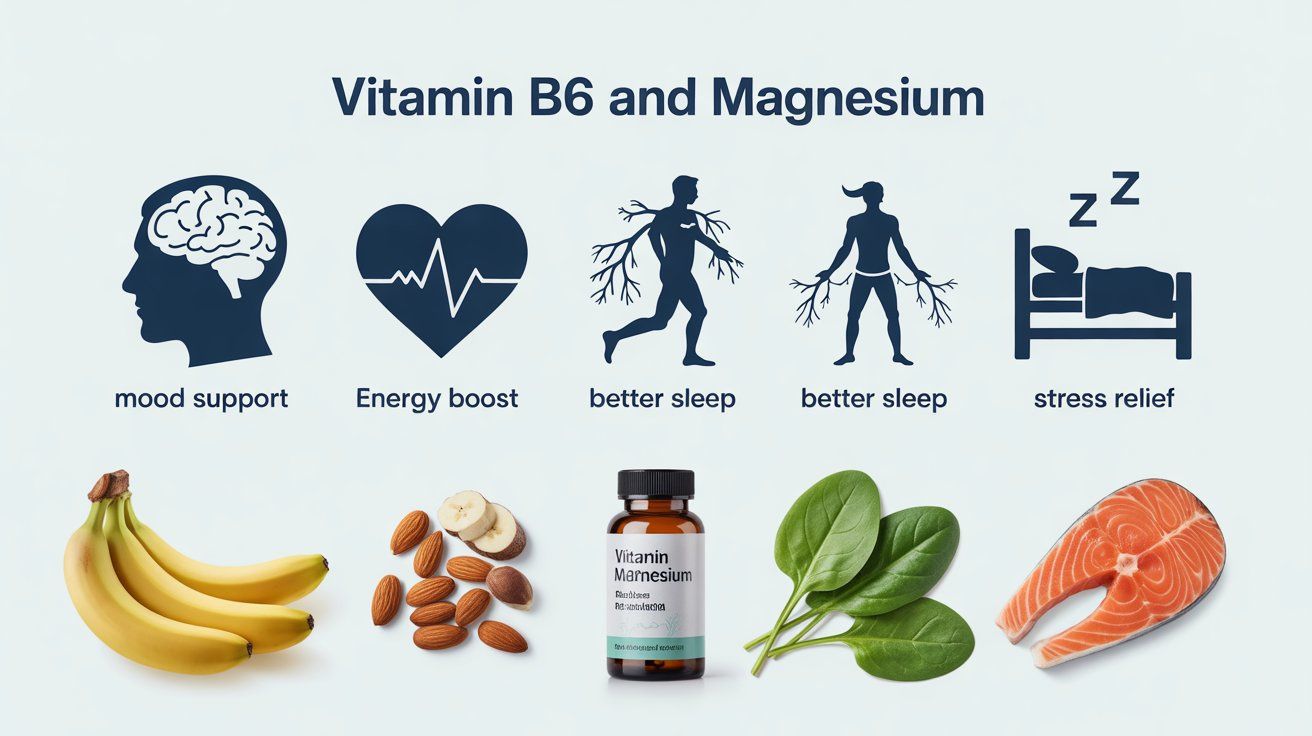
Additionally, magnesium supports better sleep and stress control—two factors directly linked to acne breakouts. By improving the skin’s natural barrier and calming irritation, magnesium for pimples promotes clearer, smoother skin over time without harsh side effects or chemical irritation.
Best Forms of Magnesium for Pimples
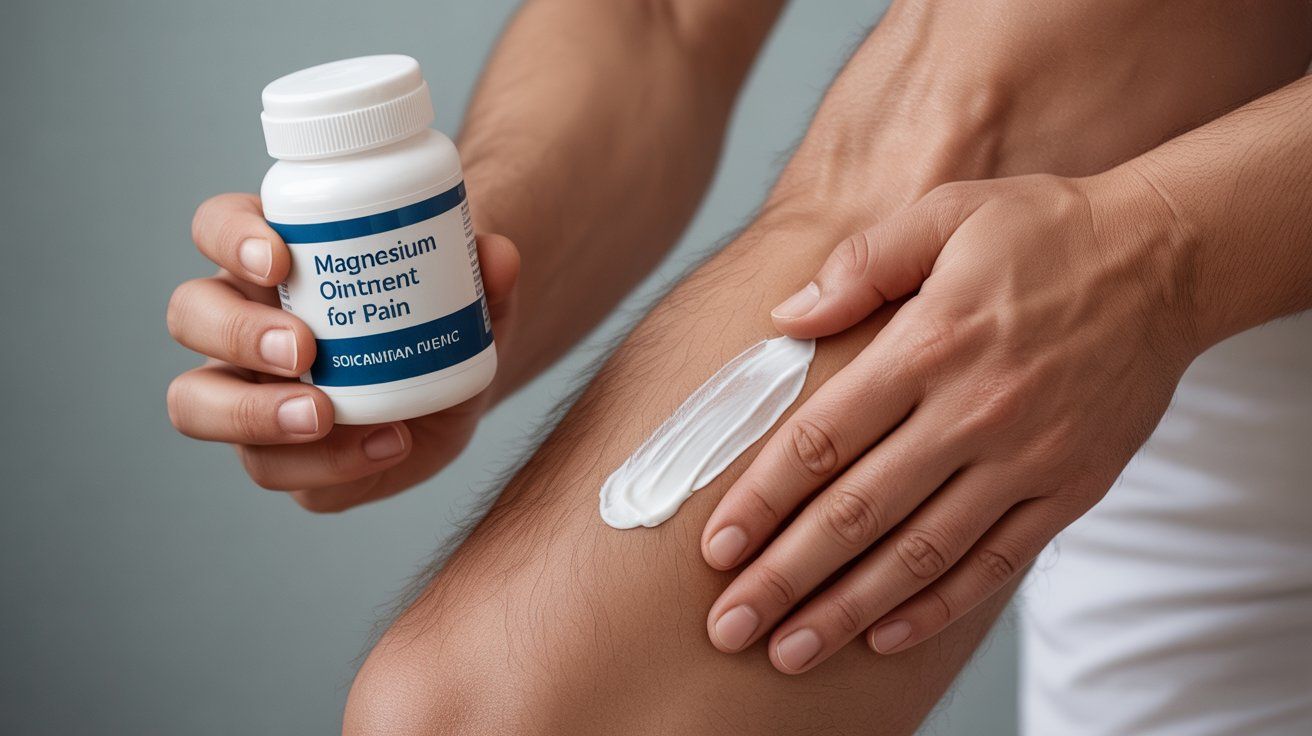
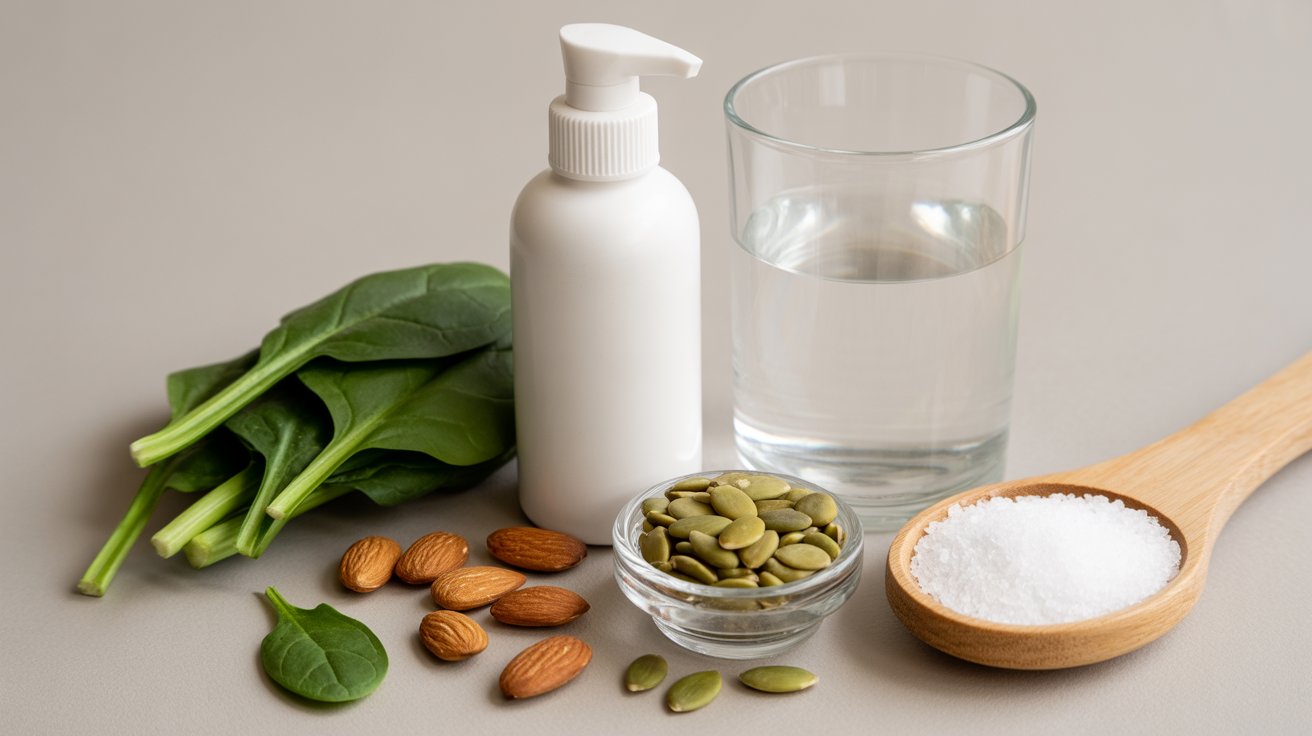
Not all magnesium is absorbed equally. Magnesium citrate and glycinate are highly bioavailable options that work well for overall skin support, while magnesium chloride and Epsom salt (magnesium sulfate) can be used topically to soothe breakouts.
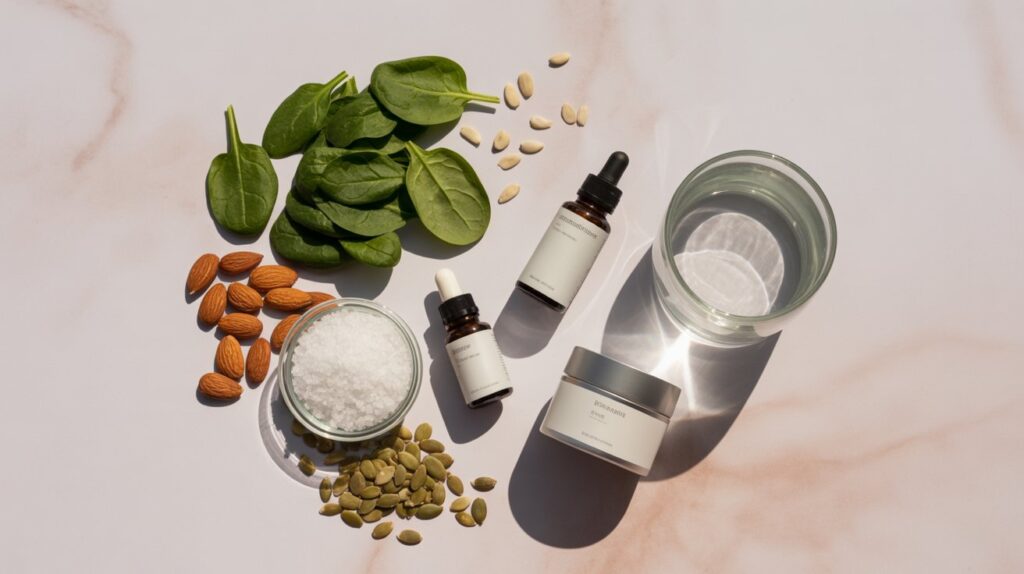
Adding magnesium-rich foods like spinach, almonds, and pumpkin seeds helps maintain balanced levels naturally. Combining dietary and topical sources ensures your body and skin get enough magnesium to reduce acne, calm inflammation, and promote a healthy, radiant complexion.
Safety, Dosage, and Side Effects
| Aspect | Details |
|---|
| Recommended Daily Intake | Adults generally need 300–400 mg of magnesium per day from food and supplements combined. |
| Best Sources | Leafy greens, nuts, seeds, whole grains, and magnesium supplements such as citrate or glycinate. |
| Topical Use | Magnesium oils, creams, or Epsom salt baths are usually well tolerated and help calm skin inflammation. |
| Possible Side Effects | High doses may cause diarrhea, stomach cramps, or nausea. These effects are mild and temporary. |
| Precautions | Individuals with kidney issues or those on medication should consult a healthcare provider before supplementing. |
| Usage Tip | Use magnesium for pimples consistently but moderately to support clear skin without disrupting mineral balance |
Lifestyle Tips to Boost the Effects of Magnesium for Pimples
Lifestyle habits greatly influence how well magnesium works for your skin. Manage stress through meditation, yoga, or deep breathing to keep cortisol in check. Prioritize quality sleep and include magnesium-rich foods like avocados, dark chocolate, and seeds in your diet.
Avoid excess sugar and processed foods, which deplete magnesium and trigger breakouts. Pairing magnesium for pimples with a gentle, non-comedogenic skincare routine supports long-term skin balance and naturally reduces acne flare-ups.
FAQs
Q1: Does magnesium really help with pimples?
Yes. Magnesium helps regulate oil production, reduce inflammation, and balance hormones—all of which can minimize breakouts.
Q2: Which type of magnesium is best for acne-prone skin?
Magnesium citrate and glycinate are highly absorbable for internal use. For topical use, magnesium chloride sprays or Epsom salt baths work well.
Q3: How long does it take to see results from magnesium for pimples?
Visible improvement may take 3–6 weeks with consistent use, depending on diet, skincare, and acne severity.
Q4: Can magnesium cause acne or worsen pimples?
No, but excessive supplementation or poor diet may cause temporary purging or skin imbalance. Use within recommended limits.
Q5: Should I use magnesium cream or supplements for pimples?
Both can help. Topicals target local inflammation, while supplements address internal balance—combining both yields best results.

Hamid Raza, aged 65, is a seasoned expert in nutrition, health supplements, and wellness, with over four decades of experience researching and educating people about essential minerals like magnesium. His work focuses on helping individuals improve energy, bone health, muscle function, and overall wellness through scientifically-backed magnesium knowledge.
Throughout his career, Hamid has contributed to numerous health articles, research studies, and wellness blogs, making complex nutritional science accessible to everyday readers. Passionate about natural health solutions, he guides readers on choosing the right magnesium supplements for optimal health.