
Gas magnesium is a highly reactive vapor used in welding, alloy production, pyrotechnics, forming MgO, Mg₃N₂, and Mg(OH)₂.
What Is Gas Magnesium?
Gas magnesium is the gaseous or vapor form of magnesium, produced at high temperatures or in controlled chemical reactions.
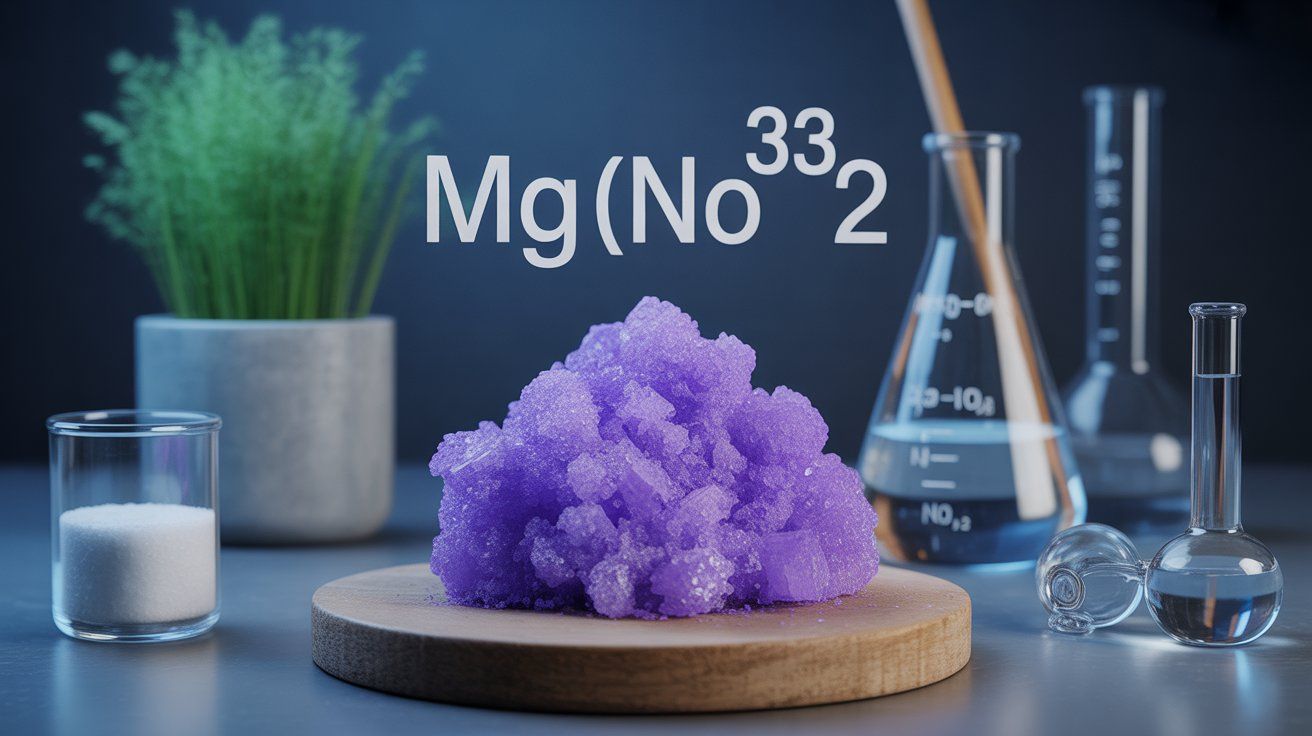
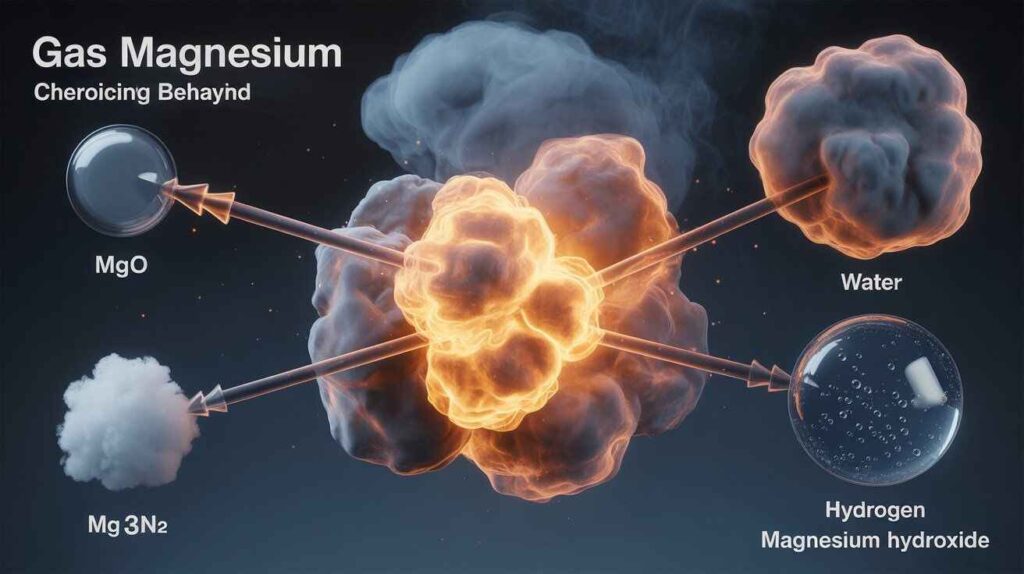
Highly reactive, it forms magnesium oxide (MgO) when exposed to oxygen and magnesium nitride (Mg₃N₂) with nitrogen.
Industrial and research applications rely on its properties for welding, alloy production, and pyrotechnics. Understanding magnesium vaporization and oxidation is key for safe and efficient use.
Industrial Applications of Gas Magnesium
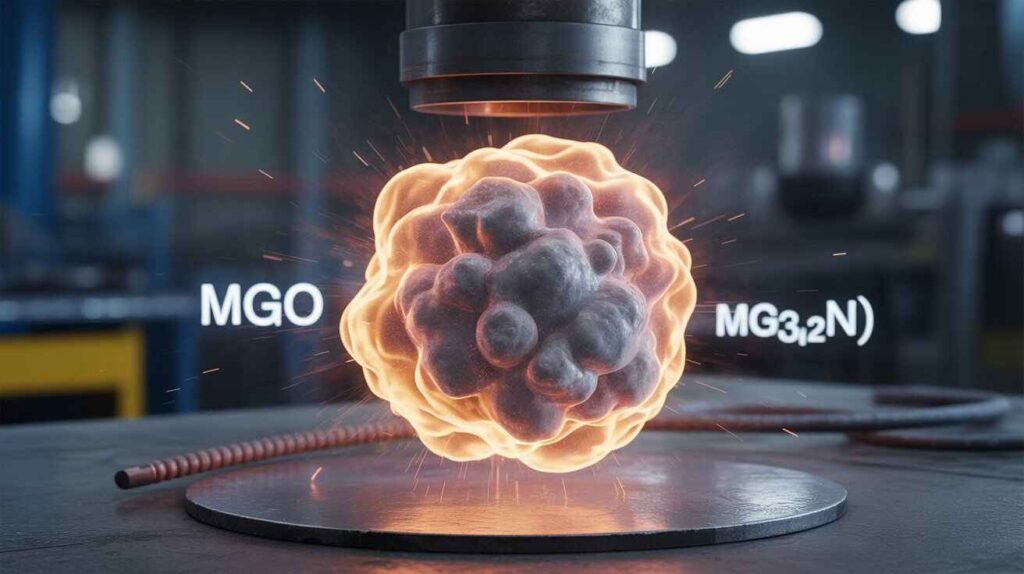
Gas magnesium is widely used in industrial and chemical processes due to its high reactivity and bright flame.
It plays a critical role in welding and cutting, magnesium alloy production for aerospace and automotive industries, and as a reducing agent in chemical reactions.
Its ability to produce intense light makes it essential in pyrotechnics and flares, while controlled magnesium vaporization ensures precise and safe applications.
Chemical Behavior and Reactions
Gas magnesium exhibits high chemical reactivity, forming magnesium oxide (MgO) with oxygen and magnesium nitride (Mg₃N₂) with nitrogen at high temperatures.
It reacts with water to produce hydrogen gas and magnesium hydroxide (Mg(OH)₂). Understanding magnesium combustion temperature and oxidation patterns is essential for safe handling.
Its predictable reactions make magnesium vapor valuable in industrial chemical processes and controlled laboratory applications.
Safety Considerations and Handling
| Aspect | Safety Consideration & Handling Guidelines |
|---|---|
| Flammability | Gas magnesium is highly flammable; strict safety measures required. |
| Ventilation | Always use in well-ventilated areas to prevent accumulation. |
| Water Contact | Avoid contact with water – it reacts violently. |
| Fire Response | Use dry sand or Class D fire extinguishers; never use water. |
| Storage | Store in airtight containers, away from moisture. |
| Incompatibility | Keep away from oxidizers, acids, and reactive substances. |
| Industrial/Lab Use | Follow controlled procedures and protective equipment standards. |
Conclusion
Gas magnesium is a highly reactive form of magnesium with critical applications in industrial, chemical, and pyrotechnic processes.
Understanding its vaporization, oxidation, and chemical behavior allows safe and efficient use. Proper magnesium safety measures and handling precautions are essential to prevent accidents.
By mastering its properties, professionals can harness gas magnesium effectively for welding, alloy production, and controlled laboratory applications.
H2: FAQs About Gas Magnesium
Word Count: 300
Q1: What is gas magnesium?
A1: Gas magnesium is magnesium in its vapor or gaseous form, typically produced at high temperatures for industrial applications like welding, alloy production, and pyrotechnics.
Q2: Is gas magnesium dangerous?
A2: Yes, gas magnesium is highly flammable. Proper magnesium safety measures such as ventilation, protective equipment, and dry fire extinguishers are essential.
Q3: How is gas magnesium produced?
A3: It is generated by magnesium vaporization under controlled conditions, often in high-temperature furnaces or chemical reactions.
Q4: What are the industrial uses of gas magnesium?
A4: Gas magnesium is used in magnesium welding techniques, the production of magnesium alloys, chemical reduction processes, and pyrotechnics.
Q5: What compounds does gas magnesium form?
A5: Gas magnesium reacts with oxygen to form MgO, nitrogen to form Mg₃N₂, and water to form Mg(OH)₂, demonstrating its highly reactive nature.

Hamid Raza, aged 65, is a seasoned expert in nutrition, health supplements, and wellness, with over four decades of experience researching and educating people about essential minerals like magnesium. His work focuses on helping individuals improve energy, bone health, muscle function, and overall wellness through scientifically-backed magnesium knowledge.
Throughout his career, Hamid has contributed to numerous health articles, research studies, and wellness blogs, making complex nutritional science accessible to everyday readers. Passionate about natural health solutions, he guides readers on choosing the right magnesium supplements for optimal health.