Magnesium carbonate powder supports digestion, muscles, and performance—a safe, multi-use antacid and supplement for health and fitness.
Magnesium carbonate powder
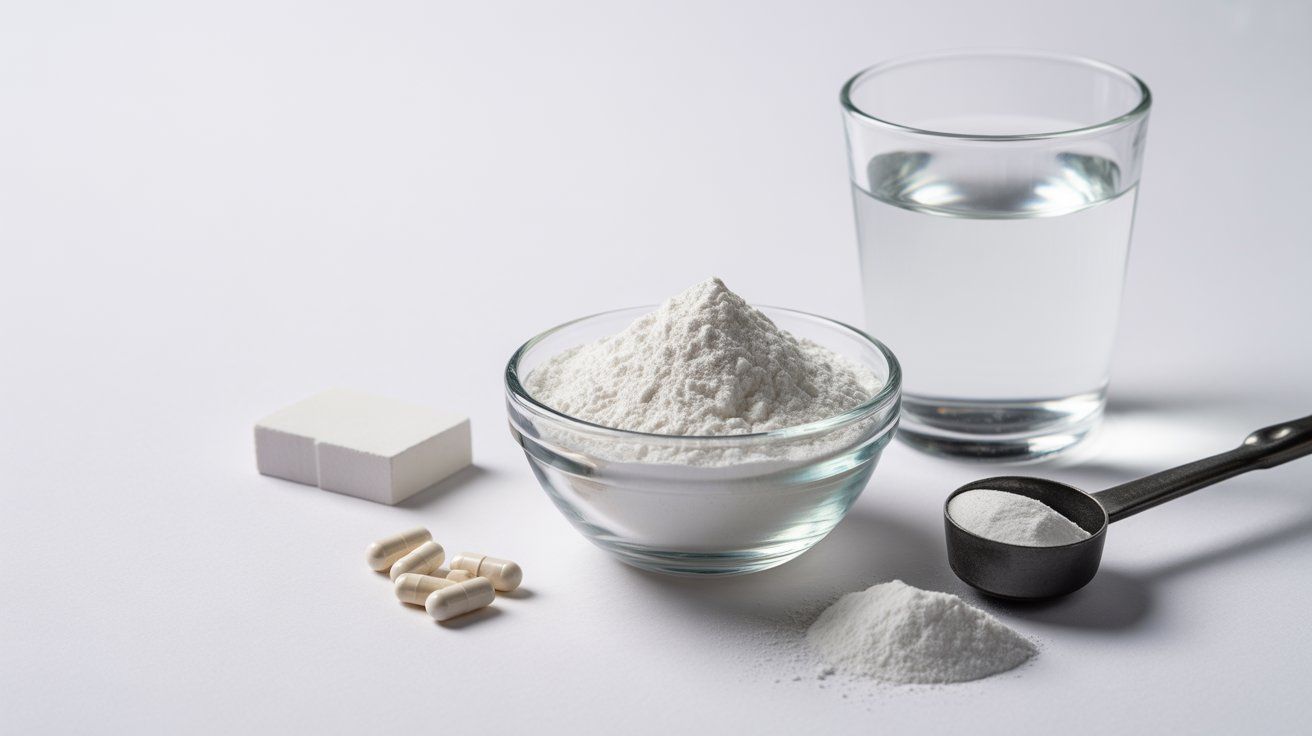
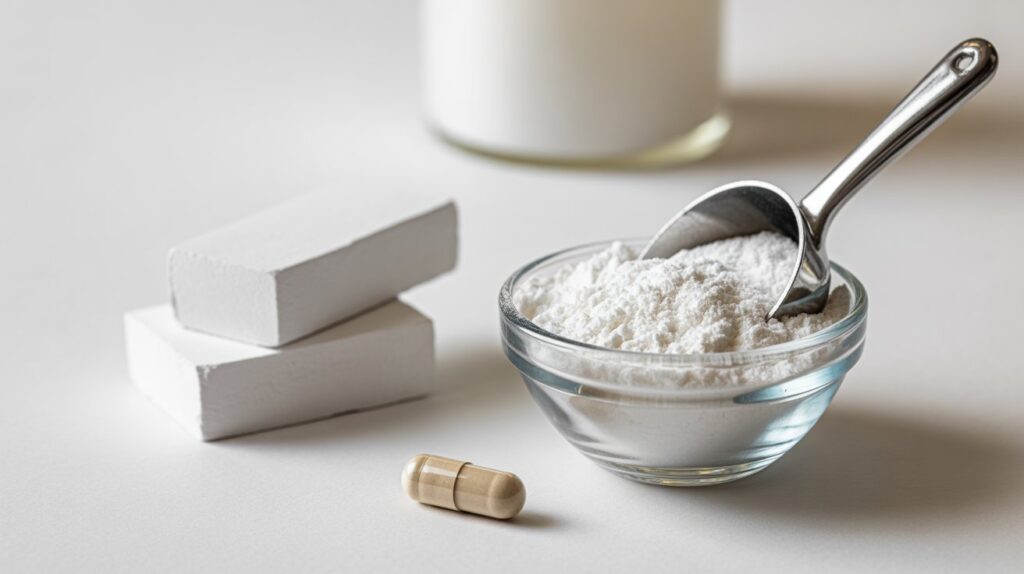
Magnesium carbonate powder is a fine, white mineral compound widely used in health supplements, antacids, and athletic chalk. Known chemically as MgCO₃, it supports muscle function, bone strength, and digestive comfort. In wellness, it serves as a gentle magnesium supplement, while athletes rely on magnesium carbonate chalk for a firm, dry grip.
Its neutralizing ability helps ease acidity without harsh effects, making it ideal for sensitive stomachs. This guide explains the benefits, dosage, and safety of magnesium carbonate powder—helping you understand how to use it effectively for both performance and overall health.
What Is Magnesium Carbonate Powder?
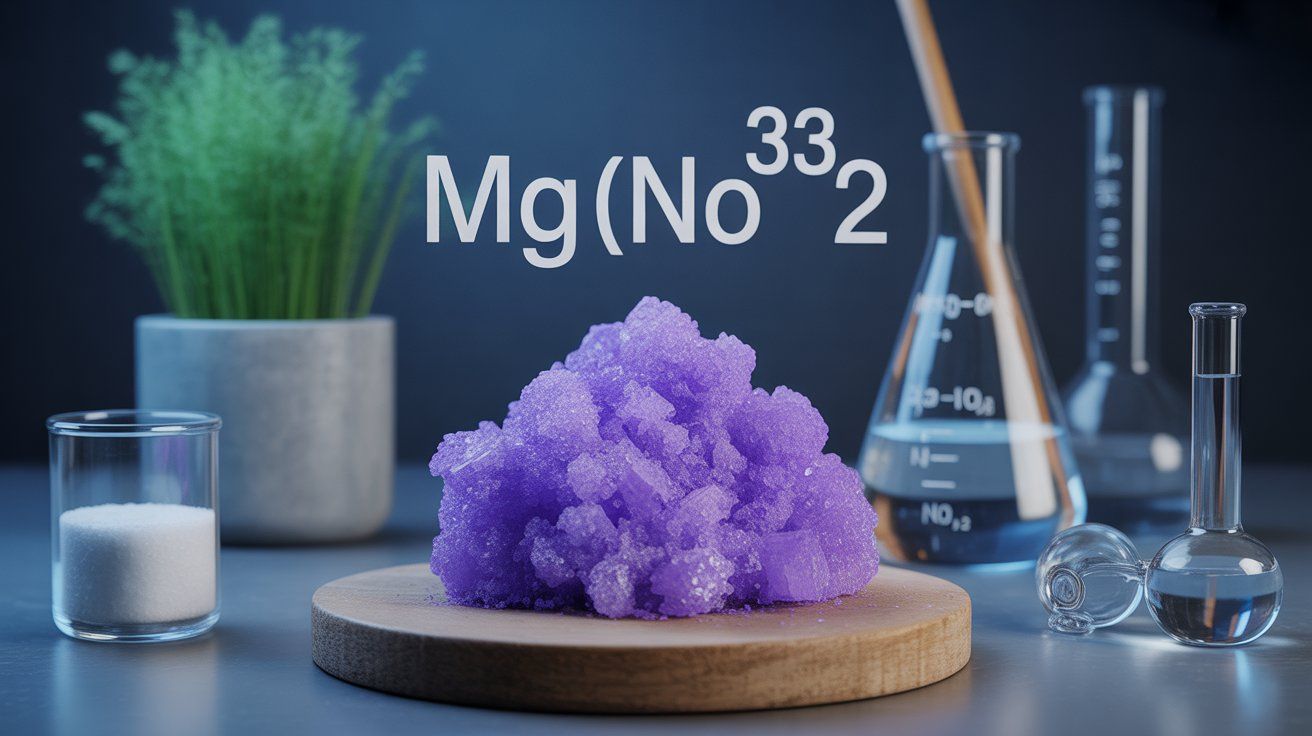
Magnesium carbonate powder is a naturally occurring mineral salt composed of magnesium, carbon, and oxygen (MgCO₃). Appearing as a fine, odorless white powder, it’s valued for its purity and versatility. Found in minerals like magnesite and dolomite, it’s processed into food grade and pharmaceutical grade magnesium carbonate for safe human use.
Beyond supplements, it serves as a drying agent, filler, and antacid in both health and industrial applications. Compared to other magnesium compounds, heavy magnesium carbonate powder dissolves slowly, offering a gentle, sustained release of magnesium to support digestive and muscular balance.
How Magnesium Carbonate Works
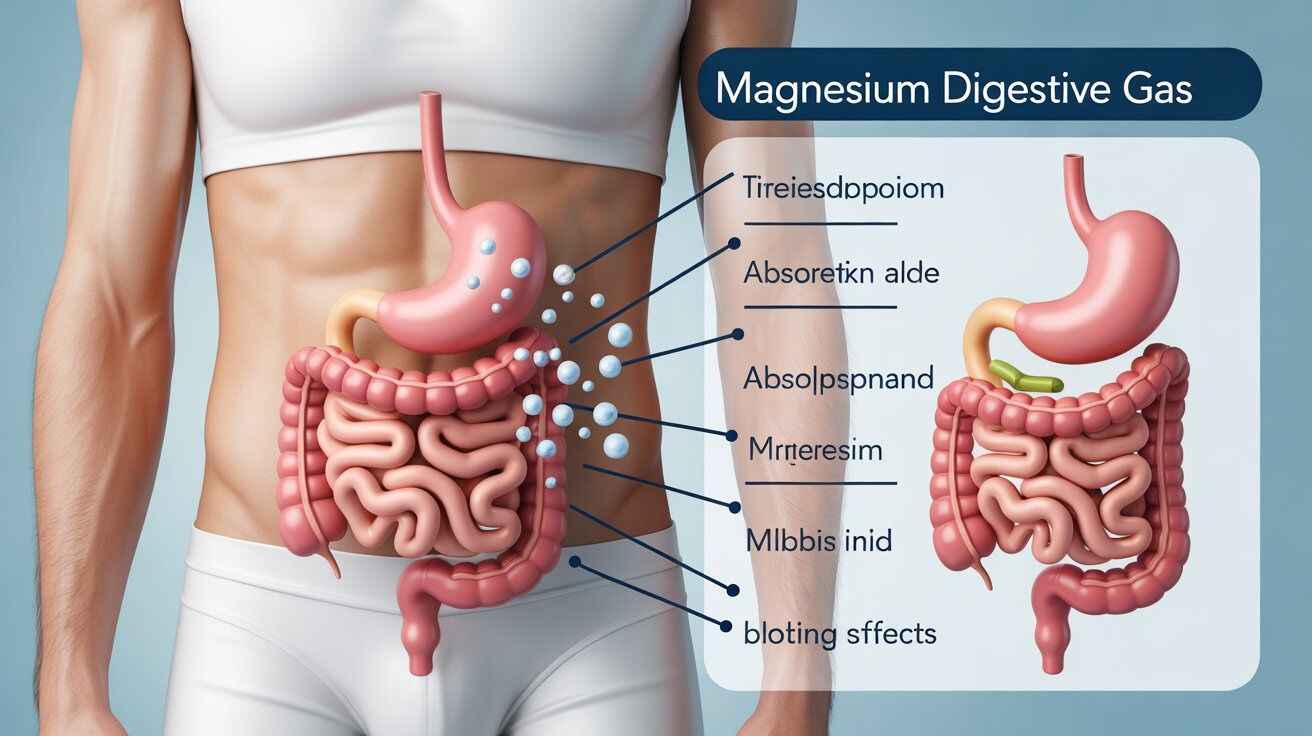
Magnesium carbonate powder acts primarily as an antacid, neutralizing excess stomach acid to relieve heartburn and indigestion. When ingested, it reacts with gastric acid to form magnesium chloride, releasing carbon dioxide and water.
This gentle reaction helps restore pH balance without harsh effects. Additionally, the powder provides a bioavailable source of magnesium, supporting muscle relaxation, nerve function, and bone health. Its slow absorption rate makes magnesium carbonate a stable, well-tolerated form of this essential mineral.
Benefits and Uses of Magnesium Carbonate Powder
| Category | Benefit / Use | Description |
|---|---|---|
| Digestive Health | Relieves acid reflux and heartburn | Acts as a natural antacid, neutralizing stomach acid and soothing indigestion without harsh side effects. |
| Muscle & Nerve Support | Promotes muscle recovery and relaxation | Provides a gentle magnesium source, helping reduce cramps, tension, and fatigue while supporting nerve balance. |
| Athletic Performance | Improves grip and performance | Used as magnesium carbonate chalk in climbing, gymnastics, and weightlifting to absorb sweat and prevent slipping. |
| General Wellness | Boosts magnesium intake | Supports energy metabolism, bone strength, and overall vitality when used as a supplement. |
| Industrial & Cosmetic Uses | Acts as drying agent and filler | Serves as a stabilizer and absorbent in food, cosmetic powders, and pharmaceutical formulations. |
| Versatility | Multi-purpose mineral | Known for being pure, stable, and safe for both health and performance applications. |
How to Choose and Use Magnesium Carbonate Powder
When selecting magnesium carbonate powder, look for food grade or pharmaceutical grade quality to ensure purity and safety. Choose reputable brands that provide clear magnesium content and usage instructions.
For supplements, follow recommended dosage guidelines—typically providing 100–400 mg of elemental magnesium daily. Mix the powder with water or use as directed for antacid relief or nutritional support. Store it in a cool, dry place to maintain potency and prevent clumping.
Side Effects and Risks of Magnesium Carbonate Powder
Magnesium carbonate powder is generally safe when used as directed, but excessive intake may cause loose stools, stomach cramps, or bloating. People with kidney problems should use caution, as magnesium can build up in the body.
It may also interfere with certain medications, including antibiotics or diuretics. To avoid side effects, stick to recommended doses and consult a healthcare professional before starting supplementation—especially if managing chronic conditions or taking prescription drugs.

FAQs
Q1. Is magnesium carbonate powder safe for daily use?
Yes. Magnesium carbonate powder is safe when taken within the recommended dosage. It’s gentle on the stomach and helps maintain healthy magnesium levels, but excessive use can lead to mild digestive issues.
Q2. What is magnesium carbonate powder used for?
It’s widely used as an antacid, magnesium supplement, and athletic chalk. It also serves as a drying agent and filler in food and pharmaceutical applications.
Q3. Can magnesium carbonate help with heartburn?
Yes. It neutralizes excess stomach acid, providing quick, soothing relief from acid reflux and indigestion.
Q4. What’s the difference between magnesium carbonate and magnesium citrate?
Magnesium citrate absorbs more quickly, while magnesium carbonate provides a slower, sustained release—ideal for sensitive stomachs or those needing gradual absorption.
Q5. Are there any side effects?
Some users may experience mild bloating or diarrhea with high doses. People with kidney conditions should seek medical advice before taking any magnesium carbonate supplement.

Hamid Raza, aged 65, is a seasoned expert in nutrition, health supplements, and wellness, with over four decades of experience researching and educating people about essential minerals like magnesium. His work focuses on helping individuals improve energy, bone health, muscle function, and overall wellness through scientifically-backed magnesium knowledge.
Throughout his career, Hamid has contributed to numerous health articles, research studies, and wellness blogs, making complex nutritional science accessible to everyday readers. Passionate about natural health solutions, he guides readers on choosing the right magnesium supplements for optimal health.