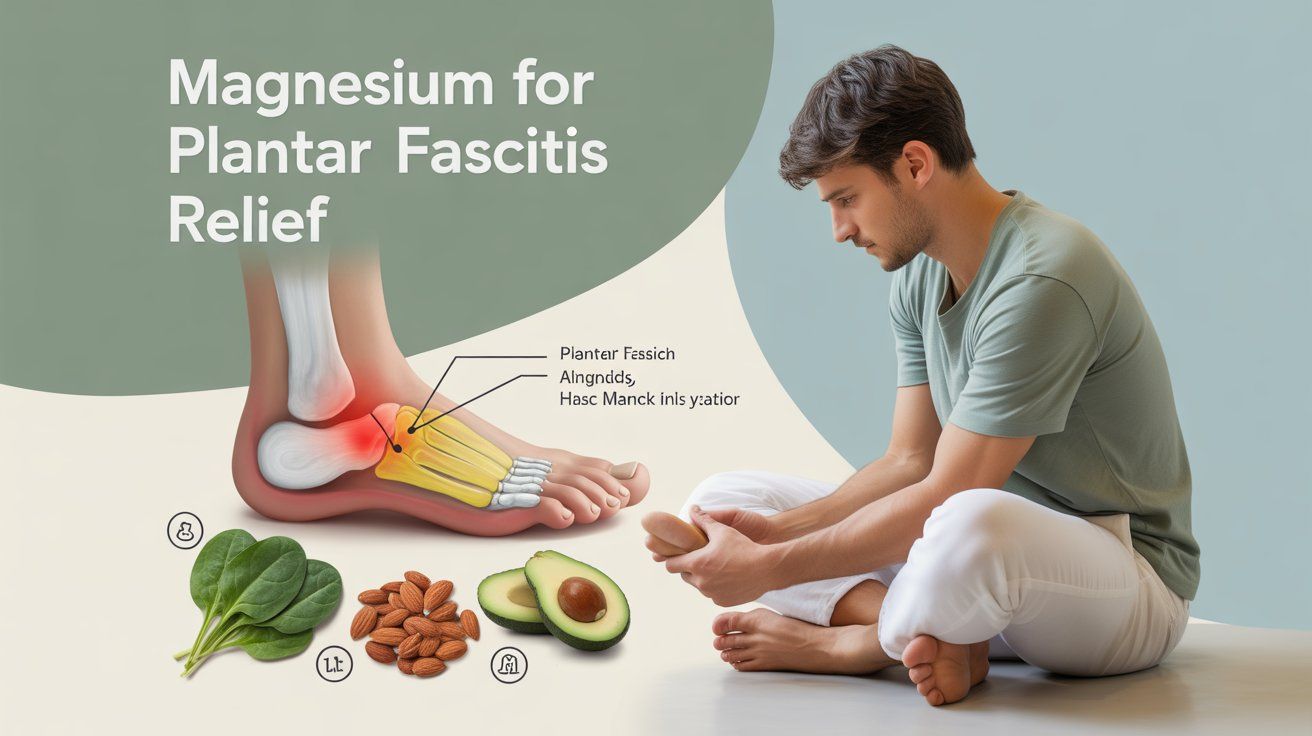
Magnesium for plantar fasciitis eases heel pain, reduces inflammation, and supports muscle relaxation for faster, lasting foot recovery.
Magnesium for plantar fasciitis
Plantar fasciitis is a leading cause of heel pain, often felt as a sharp ache when taking the first steps in the morning. It occurs when the plantar fascia — the thick band connecting the heel to the toes — becomes inflamed from overuse, tight calf muscles, or poor footwear.
The Magnesium Connection
Low magnesium levels can worsen heel pain by increasing muscle tension and nerve sensitivity. Restoring magnesium balance helps relax tight muscles, reduce inflammation, and support tissue repair. In short, magnesium for plantar fasciitis promotes faster recovery and lasting foot comfort.
Why Magnesium Matters for Foot and Muscle Health
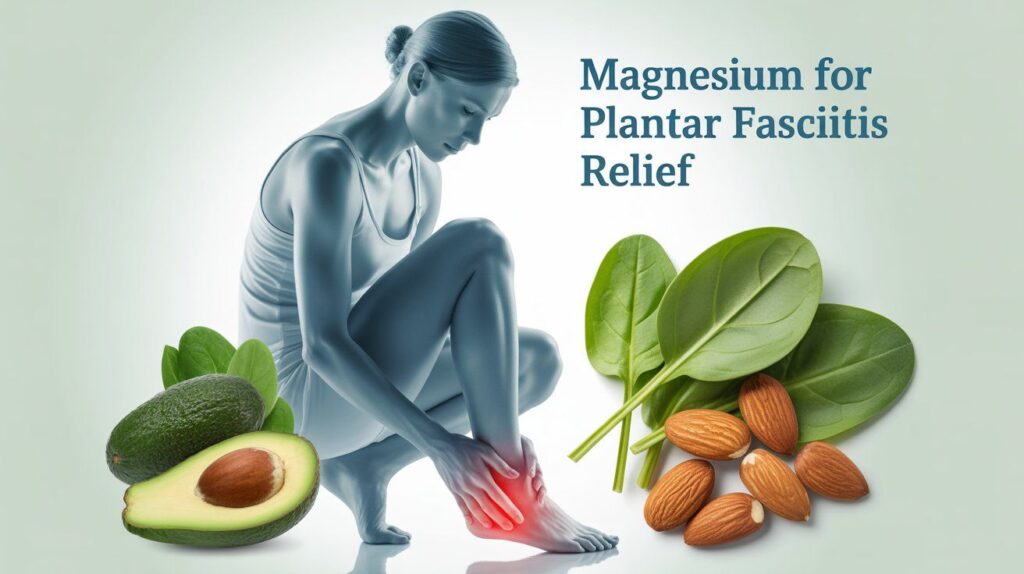
Magnesium is essential for over 300 body functions, including muscle relaxation, nerve balance, and tissue repair. When magnesium levels drop, muscles tighten and inflammation increases — both of which can worsen plantar fascia pain.
By restoring magnesium, you help your feet relax, improve circulation, and support healing at the cellular level. In short, magnesium for plantar fasciitis helps calm inflamed tissues, reduce heel pain, and enhance flexibility for better long-term foot health.
How Magnesium for Plantar Fasciitis Works
Magnesium for plantar fasciitis helps by reducing inflammation and easing muscle tension in the calves and feet. This mineral supports better blood flow, allowing nutrients and oxygen to reach the damaged plantar fascia.
It also helps calm irritated nerves, reducing the sharp heel pain felt during the first steps in the morning. Regular magnesium intake—through food, supplements, or topical magnesium oil—can promote faster recovery and prevent recurring discomfort caused by tight muscles and tissue stress.
Best Forms of Magnesium for Plantar Fasciitis Relief
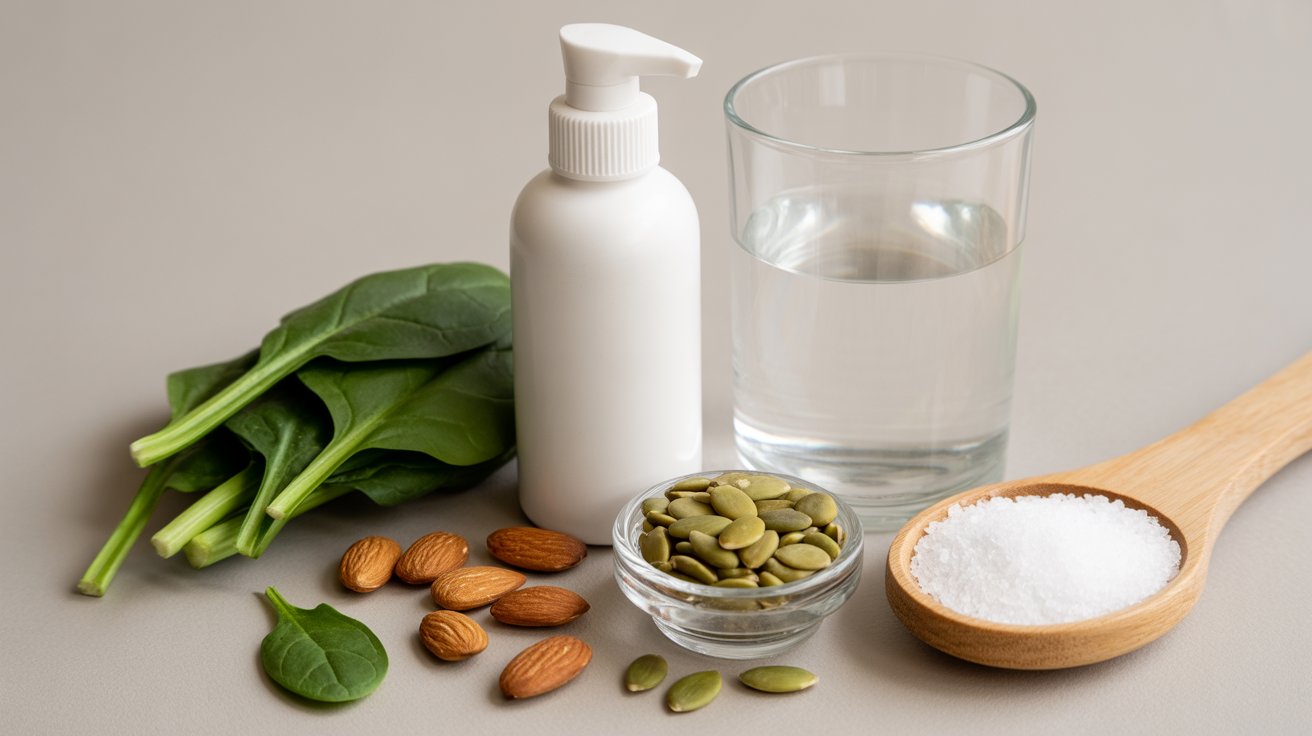
There are several ways to use magnesium for plantar fasciitis. Oral supplements like magnesium glycinate or citrate improve overall muscle function and inflammation control. Topical forms, such as magnesium oil or Epsom salt foot soaks, provide direct relief to sore heels and arches.
Soaking your feet for 15–20 minutes daily can ease stiffness and improve circulation. Combining magnesium use with gentle stretching exercises and supportive footwear enhances healing and long-term plantar fascia health.
Dosage, Food Sources, and Safety Tips
| Category | Details |
|---|---|
| Recommended Daily Intake | Adults need 300–400 mg of magnesium per day to support muscle, nerve, and tissue health. |
| Best Food Sources | Spinach, almonds, pumpkin seeds, avocados, dark chocolate, and whole grains. These naturally boost magnesium levels and reduce inflammation. |
| Supplement Options | Magnesium glycinate, citrate, or malate — known for good absorption and fewer digestive side effects. |
| Usage Tips | Take supplements with food to enhance absorption. Avoid taking magnesium right after coffee or high-fat meals. |
| Safety Considerations | Too much magnesium can cause diarrhea or stomach upset. People with kidney issues or on medication should consult a doctor first. |
| Benefits for Plantar Fasciitis | Maintains muscle relaxation, reduces heel tension, and promotes faster recovery from plantar fascia inflammation. |
Combining Magnesium With Other Plantar Fasciitis Treatments
For best results, use magnesium for plantar fasciitis alongside proven treatments. Stretch your calves and arches daily, wear supportive footwear, and consider orthotic insoles to reduce pressure on the heel.
Pairing magnesium with vitamin D or turmeric can further reduce inflammation and promote faster healing. While magnesium eases muscle tension, stretching and proper support address the root cause, helping you recover more completely and prevent heel pain from returning.
Lifestyle and Prevention Tips
Long-term relief from plantar fasciitis requires daily care. Wear arch-supportive shoes and avoid walking barefoot on hard floors. lessen strain and pressure on your heels. Before bed, apply magnesium oil or lotion to relax tight calf and foot muscles.
Combine this with gentle morning stretches to keep the fascia flexible. Staying hydrated and eating magnesium-rich foods support muscle recovery and circulation, helping prevent recurring heel pain and maintaining strong, healthy feet.

When to See a Professional
If heel pain persists for more than six weeks despite using magnesium for plantar fasciitis, stretching, and supportive footwear, it’s time to see a professional. A podiatrist or physiotherapist can assess for complications like heel spurs or nerve irritation.
They may recommend orthotics, physical therapy, or shockwave treatment for stubborn cases. Seeking early care prevents chronic damage and speeds recovery, ensuring magnesium use remains part of a complete, effective plantar fasciitis management plan.
FAQs About Magnesium for Plantar Fasciitis
Q1: Does magnesium really help plantar fasciitis?
Yes. Magnesium for plantar fasciitis helps reduce inflammation, relax tight muscles, and improve blood flow. These effects relieve heel tension and support faster recovery from tissue irritation.
Q2: What type of magnesium is best?
Magnesium glycinate is gentle on the stomach and highly absorbable, making it ideal for daily use. Magnesium oil or Epsom salt soaks also work well for localized foot relief.
Q3: How long before results appear?
Many people notice reduced stiffness and heel pain within two to three weeks of consistent magnesium use alongside stretching and proper footwear.
Q4: Can I combine magnesium with other treatments?
Absolutely. It works best when paired with calf stretches, arch-support shoes, and anti-inflammatory nutrients like vitamin D and turmeric.
Q5: Is magnesium safe for everyone?
Generally, yes—but people with kidney problems or those taking medications should consult a doctor first.
Q6: When should I use magnesium—morning or night?
Evening use is ideal, as magnesium promotes muscle relaxation and may enhance sleep, helping your feet recover overnight.
Q7: Can Epsom salt foot soaks help?
Yes, Epsom salt (magnesium sulfate) soaks reduce swelling and soreness, providing soothing comfort to tired, inflamed feet.

Hamid Raza, aged 65, is a seasoned expert in nutrition, health supplements, and wellness, with over four decades of experience researching and educating people about essential minerals like magnesium. His work focuses on helping individuals improve energy, bone health, muscle function, and overall wellness through scientifically-backed magnesium knowledge.
Throughout his career, Hamid has contributed to numerous health articles, research studies, and wellness blogs, making complex nutritional science accessible to everyday readers. Passionate about natural health solutions, he guides readers on choosing the right magnesium supplements for optimal health.