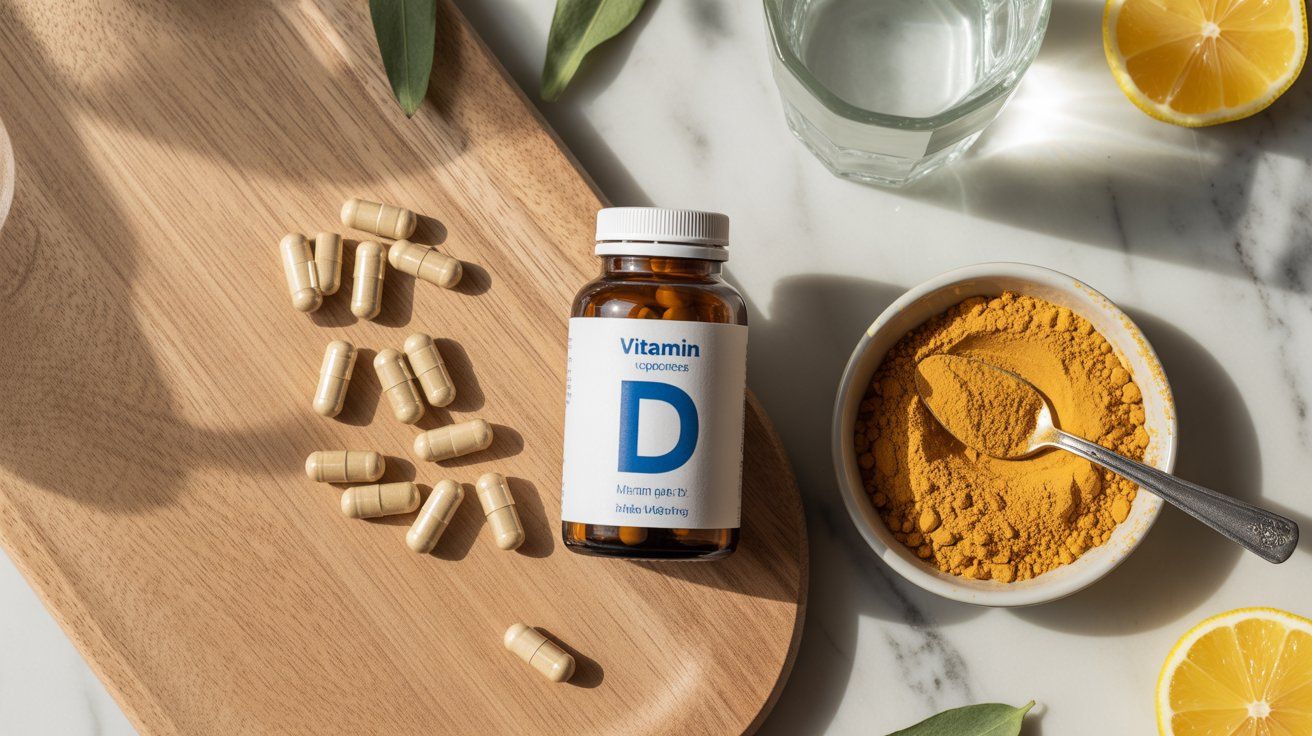
Magnesium Vitamin D and Turmeric work synergistically to boost bone strength, immunity, and reduce inflammation, supporting energy and overall wellness.
Magnesium vitamin d and turmeric
Magnesium Vitamin D and Turmeric create a powerful trio that supports bone strength, immunity, and inflammation balance. Magnesium fuels over 300 body reactions, aiding energy and muscle health. Vitamin D enhances calcium absorption and immune defense, while turmeric’s curcumin delivers potent antioxidant and anti-inflammatory effects.
Together, they work synergistically—magnesium activates vitamin D, and turmeric reduces oxidative stress that weakens these nutrients. In today’s world of low sunlight and nutrient-poor diets, this combination offers a simple, natural way to restore balance, reduce fatigue, and strengthen overall wellness. Understanding how these nutrients interact helps unlock their full health potential.
What Is Magnesium and Why It Matters
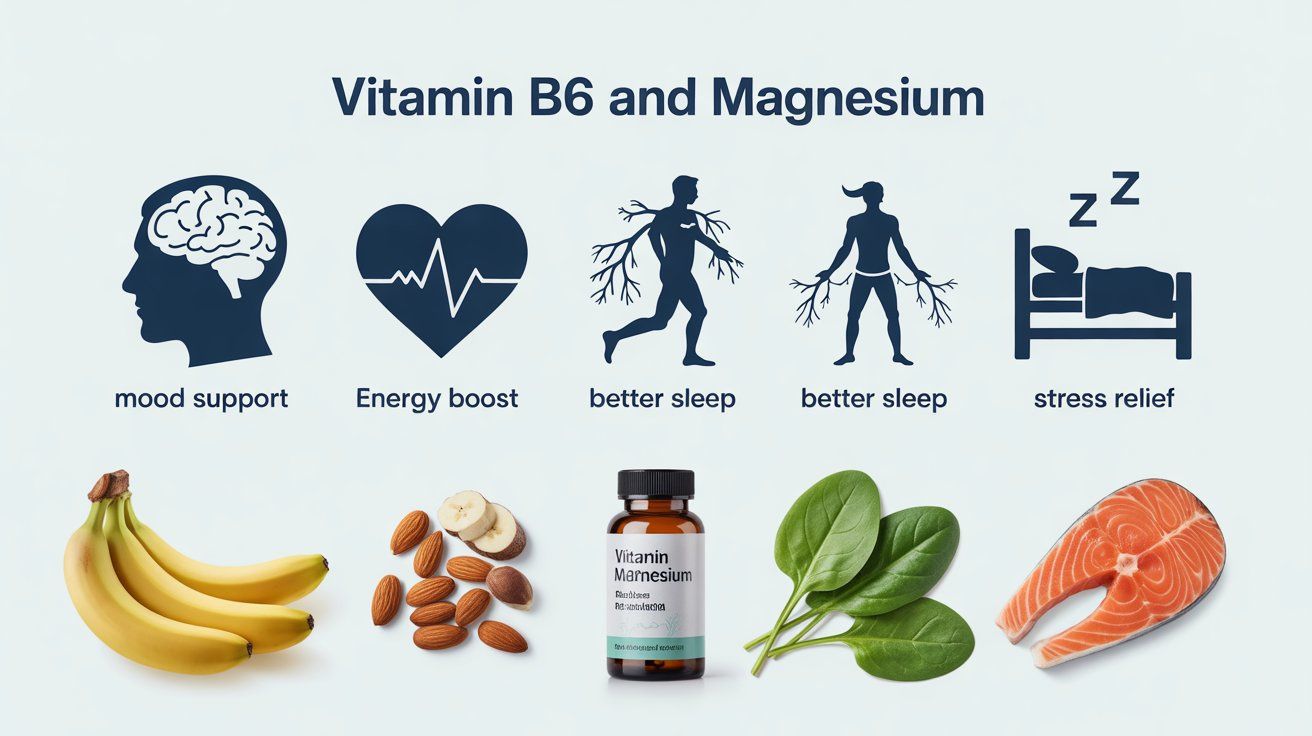
Magnesium is an essential mineral involved in energy production, muscle relaxation, and nerve health. It supports bone strength by regulating calcium and vitamin D activity, making it vital for skeletal integrity. Many people lack magnesium due to stress and poor diet.
Rich sources include leafy greens, nuts, and seeds. Taking magnesium supplements, such as glycinate or citrate, can help restore balance, improve sleep, and enhance vitamin D absorption for better overall wellness and inflammation control.
Understanding Vitamin D – The Sunshine Nutrient
Vitamin D plays a key role in bone formation, immune defense, and mood balance. Known as the sunshine vitamin, it’s produced when skin is exposed to sunlight but is also found in fatty fish and fortified foods. It works closely with magnesium, which activates it into its usable form.
Without enough magnesium, vitamin D remains inactive. Maintaining healthy levels of Vitamin D3 supports calcium absorption, muscle strength, and overall vitality throughout all stages of life.
What Is Turmeric (Curcumin) – Nature’s Anti-Inflammatory
Turmeric, a golden spice rich in curcumin, is celebrated for its powerful anti-inflammatory and antioxidant properties. It helps reduce joint pain, support digestion, and protect against cellular stress. Curcumin’s absorption improves when paired with black pepper (piperine) or healthy fats.
When combined with magnesium and vitamin D, turmeric enhances bone health, eases inflammation, and promotes faster recovery.
How Magnesium, Vitamin D, and Turmeric Work Together
Magnesium Vitamin D and Turmeric create a synergistic effect that amplifies each nutrient’s benefits. Magnesium activates enzymes that convert vitamin D into its active form, supporting calcium absorption and strong bones. Meanwhile, turmeric’s curcumin reduces inflammation and oxidative stress, helping the body use these nutrients more efficiently. Together, they enhance bone density, muscle recovery, immune strength, and mood balance. This natural trio offers comprehensive support for modern health challenges like fatigue, inflammation, and nutrient deficiencies.
Safety, Side Effects, and Interactions
| Nutrient | Common Side Effects (High Doses) | Potential Drug Interactions | Safety Tips & Recommendations |
|---|---|---|---|
| Magnesium | Diarrhea, nausea, stomach cramps | Diuretics, antibiotics, heart medications | Stick to 300–400 mg/day. Choose bioavailable forms like glycinate or citrate. Avoid overuse if you have kidney issues. |
| Vitamin D | Calcium buildup (hypercalcemia), nausea, weakness | Steroids, weight-loss drugs, cholesterol medications | Take 1000–2000 IU/day unless prescribed more. Always take with healthy fats for absorption. Regularly monitor blood levels. |
| Turmeric (Curcumin) | Stomach upset, nausea, increased bleeding risk (high doses) | Blood thinners, diabetes or acid-reducing drugs | Use 500–1000 mg/day with black pepper for absorption. Avoid before surgery or if on anticoagulants. |
| Combined Use | Generally well-tolerated in balanced doses | May enhance absorption or activity of other nutrients | Choose third-party-tested supplements to ensure purity, potency, and safety. Consult your healthcare provider before combining. |
Health Benefits of Magnesium, Vitamin D, and Turmeric
The combination of Magnesium Vitamin D and Turmeric supports total body wellness. Magnesium and vitamin D strengthen bones and muscles, while turmeric reduces joint inflammation and pain. Together, they boost immune response, balance mood, and aid heart and metabolic health.
Magnesium calms nerves, vitamin D enhances calcium use, and turmeric fights oxidative stress. This trio helps improve sleep, recovery, and energy levels—offering a natural, science-backed approach to maintaining vitality and reducing chronic inflammation over time.
Dosage, Timing, and How to Combine
For best results, take Magnesium Vitamin D and Turmeric in balanced amounts. Adults generally need 300–400 mg of magnesium, 1000–2000 IU of vitamin D3, and 500–1000 mg of curcumin daily.
Take vitamin D and turmeric with meals containing healthy fats to enhance absorption, while magnesium works best in the evening for relaxation. Use forms like magnesium glycinate, vitamin D3, and curcumin with black pepper to maximize benefits safely and naturally support bone, muscle, and immune health.

Food Sources and Lifestyle Tips
You can naturally boost Magnesium Vitamin D and Turmeric through diet and lifestyle. Eat spinach, almonds, pumpkin seeds, and beans for magnesium. Get vitamin D from sunlight, fatty fish, and fortified foods. Add turmeric to curries, teas, or smoothies for daily anti-inflammatory support.
Pair turmeric with black pepper for better absorption and vitamin D with healthy fats. Regular exercise, outdoor time, and a balanced diet enhance the body’s ability to absorb and utilize these essential nutrients effectively.
FAQs
Q1: Can I take Magnesium, Vitamin D, and Turmeric together?
Yes. These nutrients work synergistically — magnesium activates vitamin D, and turmeric’s curcumin reduces inflammation, helping the body absorb and use both more effectively. Taking them together supports stronger bones, better energy, and balanced immunity.
Q2: What’s the best time to take them?
Take vitamin D and turmeric with meals that include healthy fats to improve absorption. Magnesium is best taken in the evening, as it supports muscle relaxation and restful sleep.
Q3: Are there any side effects?
At proper doses, side effects are rare. Too much magnesium can cause loose stools, excessive vitamin D may raise calcium levels, and turmeric in high amounts may thin the blood.
Q4: How long before I see results?
Most people notice improvements in energy, sleep, and joint comfort within 2–4 weeks of consistent use.
Q5: Can I get enough from food alone?
A balanced diet helps, but many adults fall short—especially those with limited sun exposure or stress. Supplements ensure steady levels for optimal wellness.

Hamid Raza, aged 65, is a seasoned expert in nutrition, health supplements, and wellness, with over four decades of experience researching and educating people about essential minerals like magnesium. His work focuses on helping individuals improve energy, bone health, muscle function, and overall wellness through scientifically-backed magnesium knowledge.
Throughout his career, Hamid has contributed to numerous health articles, research studies, and wellness blogs, making complex nutritional science accessible to everyday readers. Passionate about natural health solutions, he guides readers on choosing the right magnesium supplements for optimal health.