Sea salt and magnesium support hydration, muscle recovery, and relaxation. They provide trace minerals for electrolyte balance and promote overall wellness.
Sea salt and magnesium
Sea salt and magnesium are vital minerals that help maintain hydration, nerve health, and muscle relaxation. Natural sea salt contains trace minerals, including magnesium, that support electrolyte balance and recovery.
Unlike refined salt, it preserves essential nutrients beneficial for the body. Magnesium in sea salt also promotes calmness and better sleep. Together, sea salt and magnesium create a natural way to restore energy, reduce tension, and support overall wellness.
What Is Sea Salt?
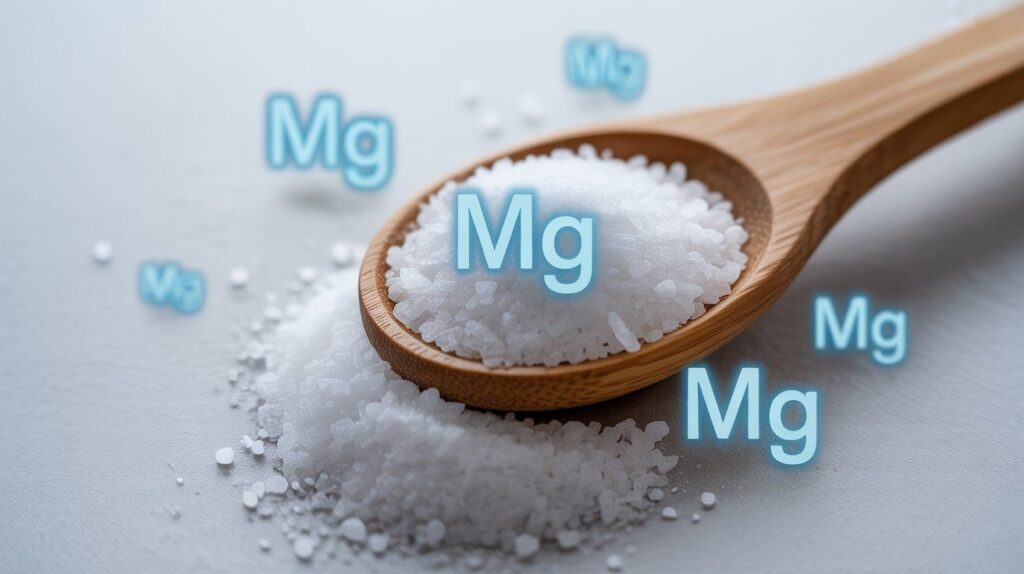
Sea salt is a natural mineral salt obtained through the evaporation of seawater, leaving behind valuable trace minerals like magnesium, calcium, and potassium. Unlike refined table salt, it’s minimally processed and free from chemical additives, retaining its natural nutrients.
Natural sea salt not only enhances taste but also supports electrolyte balance and hydration. Its magnesium content helps maintain healthy muscles and nerves, offering a wholesome alternative to regular salt.
Risks, Side Effects & Safety Tips
| Aspect | Details | Recommendation / Tip |
|---|---|---|
| High Sodium Intake | Excessive sea salt consumption can raise sodium levels, increasing the risk of high blood pressure and heart strain. | Use sea salt in moderation and balance with potassium-rich foods. |
| Skin Irritation | Overuse of magnesium baths or soaks may cause mild irritation for sensitive skin types. | Limit soak time to 15–20 minutes and rinse skin after use. |
| Nutrient Imbalance | Relying only on sea salt for magnesium won’t meet daily magnesium needs. | Combine with dietary magnesium sources or supplements if required. |
| Dehydration Risk | Too much salt without enough water may cause dehydration or cramps. | Stay well-hydrated when using sea salt regularly. |
| Medical Conditions | People with kidney disease or hypertension should be cautious with mineral salts. | Always consult a healthcare professional before making dietary changes. |
Health Benefits of Sea Salt and Magnesium
Sea salt and magnesium offer powerful health benefits that promote overall wellness. They help maintain electrolyte balance, support muscle recovery, and ease cramps after physical activity. Magnesium in sea salt also calms the nervous system, improving sleep quality and reducing stress.
When used in baths or meals, natural sea salt provides gentle skin nourishment and aids hydration, making it a simple, effective addition to a healthy lifestyle.
Scientific Evidence & Research Insights
Scientific studies show that sea salt and magnesium play important roles in maintaining health. Research on magnesium chloride and Dead Sea salts highlights their benefits for skin hydration, muscle relaxation, and stress relief.
Studies also confirm that transdermal magnesium absorption through baths can boost magnesium levels naturally. These findings support the traditional use of natural sea salt and magnesium-rich minerals in promoting overall balance, recovery, and relaxation.
How to Use Sea Salt for Magnesium Intake
You can benefit from sea salt and magnesium in simple ways. Add a pinch of natural sea salt to water for quick electrolyte replenishment, or use magnesium-rich sea salt baths to relax muscles and promote calm.
Cooking with unrefined sea salt also provides trace minerals that support hydration. Regular, moderate use of sea salt helps maintain magnesium balance, improving energy, focus, and overall wellness naturally.
Sea Salt vs. Other Magnesium Sources
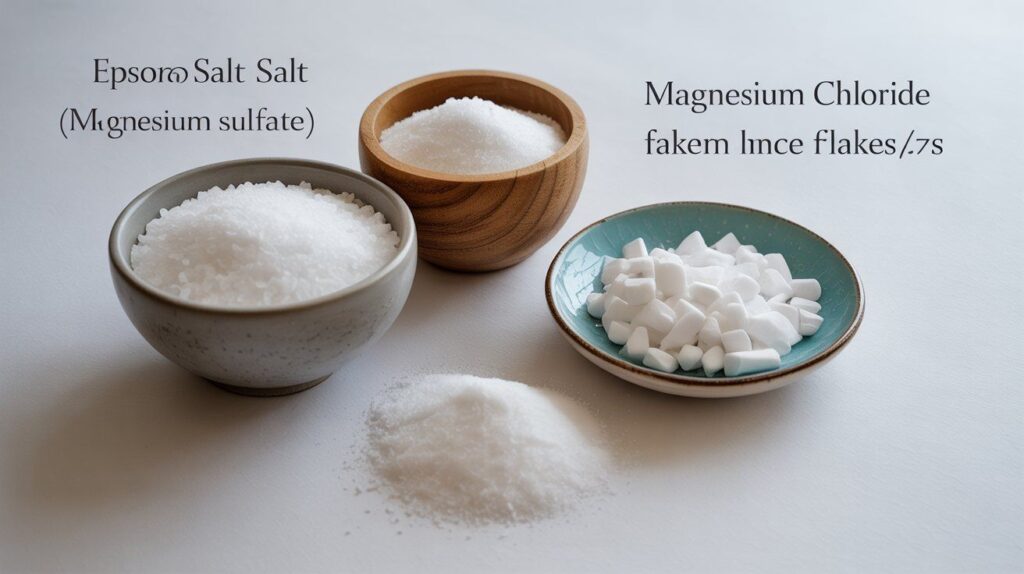
Sea salt and magnesium provide natural mineral support, but their magnesium levels are lower than supplements or Epsom salts (magnesium sulfate).
Epsom salts are used mainly for baths and muscle relaxation, while sea salt adds trace minerals to the diet. Magnesium chloride offers higher absorption for therapeutic use.
Combining dietary sea salt with magnesium-rich foods or supplements ensures balanced intake for overall health and recovery.
FAQs
Q1: How much magnesium is in sea salt?
Sea salt contains small amounts of magnesium — typically 0.3–0.5% — depending on its source and purity.
Q2: Can sea salt replace magnesium supplements?
No. While sea salt and magnesium contribute to health, the amount isn’t sufficient to meet daily magnesium needs. Supplements or dietary sources are often necessary.
Q3: Is sea salt a good source of electrolytes?
Yes. Sea salt minerals, including magnesium and potassium, help maintain electrolyte balance, especially after sweating.
Q4: Does bathing in sea salt increase magnesium levels?
Yes, transdermal magnesium absorption from sea salt baths or magnesium flakes may help boost magnesium intake and soothe muscles.
Q5: What are the risks of too much sea salt and magnesium?
Overuse may lead to high sodium levels or mild skin irritation. Always use moderate amounts and consult a healthcare provider if you have kidney issues.

Hamid Raza, aged 65, is a seasoned expert in nutrition, health supplements, and wellness, with over four decades of experience researching and educating people about essential minerals like magnesium. His work focuses on helping individuals improve energy, bone health, muscle function, and overall wellness through scientifically-backed magnesium knowledge.
Throughout his career, Hamid has contributed to numerous health articles, research studies, and wellness blogs, making complex nutritional science accessible to everyday readers. Passionate about natural health solutions, he guides readers on choosing the right magnesium supplements for optimal health.